Start with a Clear Picture of the Vehicle's Past
A vehicle history review can help you make a more informed choice before buying a pre-owned Ford in Broken Arrow. It provides useful background, but it should not be the only part of your decision. Pair the report with a careful walk-around, a complete test drive, available service documents, and a conversation with dealership staff about questions that come up.
History reports may show ownership changes, title status, reported accidents, maintenance entries, mileage readings, recalls, and past registration locations. None of these items automatically makes a vehicle a bad choice. What matters is the full story, the vehicle's current condition, and whether it fits how you plan to drive it.
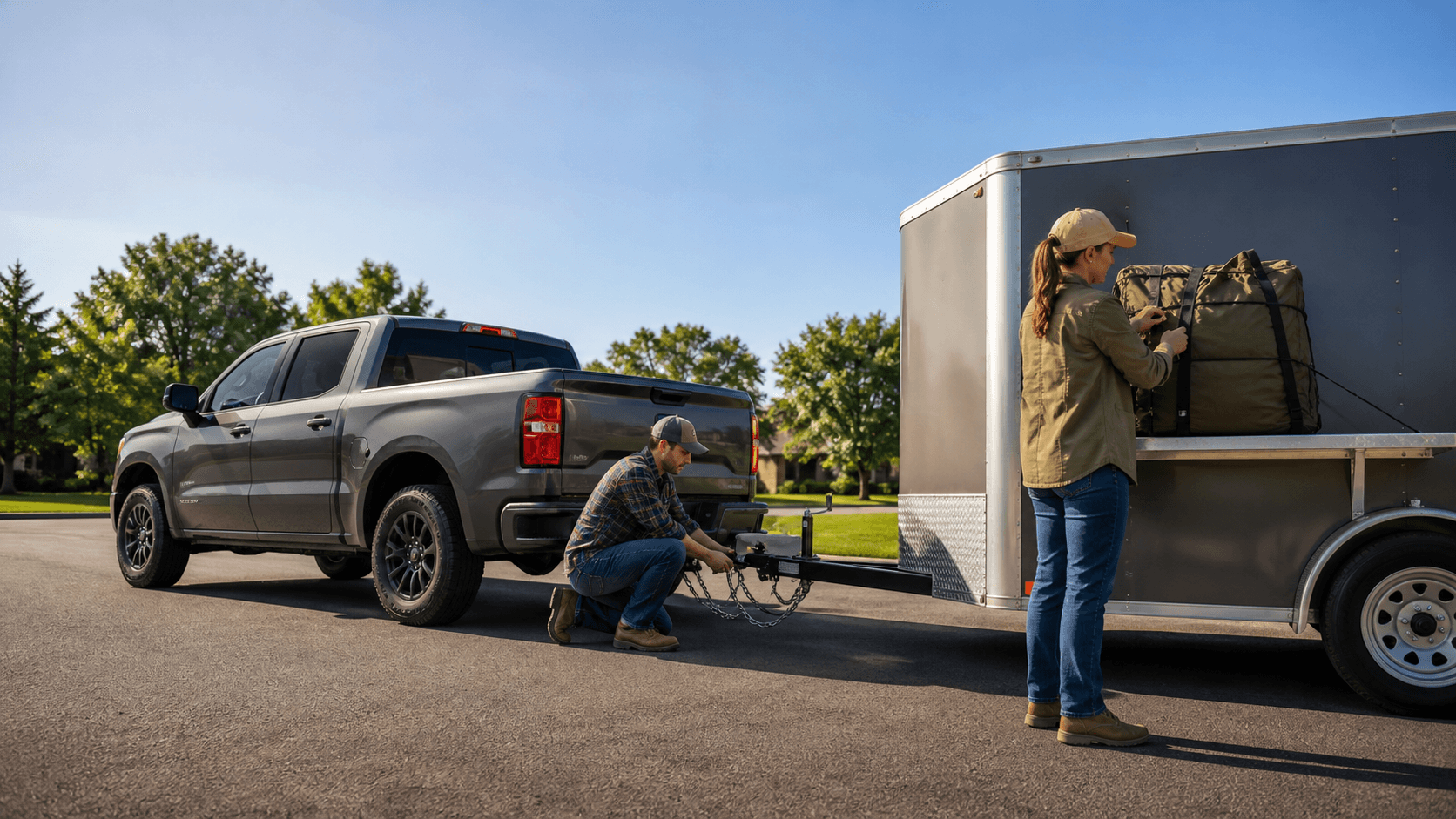
A Tulsa-area commuter may care most about consistent mileage and routine maintenance. Someone shopping for a truck may want more information about prior use, towing equipment, bed condition, and wear underneath the vehicle. The best history is one that makes sense for your needs, not one that simply looks perfect at first glance.
Read the Vehicle History Report Beyond the Headline
A vehicle history report gathers information from sources that may include title and registration records, repair facilities, insurance claims, and odometer reports. Depending on the report and its sources, it can include accident entries, ownership changes, service visits, recall information, and title events. Still, it may not capture every repair, every accident, or every oil change.
Look for patterns instead of reacting to one line. Consistent odometer readings and regular service entries can support confidence in the documented care of a vehicle. On the other hand, a missing service record does not always mean maintenance was skipped. Work completed at an independent shop may not have been reported.
When an entry needs more context, ask questions. A minor damage report can mean something very different from a major collision or structural-damage note. Available repair invoices, inspection notes, and dealership documentation may help explain what happened. Buyers who want more assurance may also choose an independent pre-purchase inspection.
Match Title, Ownership, and Mileage to Your Plans
Title descriptions deserve close attention because they can affect insurance, financing, resale, and your comfort level as a buyer. Title brands and their implications can vary by state, lender, and insurer, so it is wise to review the vehicle-specific title history and ask questions before deciding. Common terms may include:
- Clean title, generally meaning the title does not carry a reported major brand
- Salvage title, often associated with significant damage or a total-loss history
- Rebuilt or reconstructed title, which may be issued after a salvage vehicle has been repaired and meets applicable state requirements
- Flood or water-damage brand, which can signal reported water exposure
- Lemon law buyback or another branded title, which may require additional review
A branded title is not automatically the wrong choice, but it comes with tradeoffs. Insurance options, financing terms, resale value, and future repair considerations may differ from those of a vehicle with an unbranded title. It is generally best suited to shoppers who understand those tradeoffs fully and are comfortable reviewing the available documentation. Ask how the title status lines up with the vehicle's present condition and records.
Ownership history can also offer clues, but one owner is not always better than several owners. A vehicle may change hands for ordinary reasons, such as a growing family, a move, or changing driving needs. Focus on whether its condition, maintenance history, mileage, and title record fit its age and intended use.
Mileage should make sense across registration, maintenance, inspection, and title records. A large mismatch should lead to questions. Whether you are comparing a used Ford Escape, Explorer, F-150, or another model, mileage is only one part of value. Maintenance needs, expected annual driving, and current condition all matter too.
Look Closely at Accidents, Repairs, and Recalls
A reported accident is not always the same as structural damage. A report may list an insurance claim, damage event, repair entry, or collision without explaining the full extent of the repairs. Ask whether invoices, inspection findings, or other records are available.
During a test drive and walk-around, pay attention to signs that deserve a closer look:
- Uneven panel gaps or paint that does not match
- Tires wearing unevenly or a vehicle that pulls while driving
- Warning lights that remain on
- Steering or braking that feels unusual
- Safety and driver-assistance features that do not operate as expected
A professional inspection can identify issues that do not appear in a report. It is especially helpful after a collision entry, when the quality and condition of repairs may matter more than the short description in the report.
Recalls also need context. An open recall does not automatically tell you the current condition of the vehicle, but the repair should be addressed promptly. Confirm recall information by vehicle identification number through official Ford and NHTSA resources, and ask what recall work has already been completed. This is especially useful before cooler-weather driving around Broken Arrow, Owasso, Bixby, Sand Springs, and the greater Tulsa area.
Confirm Service Records and Inspection Findings
Maintenance history often matters as much as ownership count. Look for oil changes, tire rotations, brake work, battery replacement, fluid services, and manufacturer-recommended maintenance. With trucks and SUVs, it also makes sense to ask about four-wheel-drive service, differential service, cooling-system care, and towing-related wear when applicable.
For example, an F-150 that was used for occasional light-duty towing may have a different service history and underbody condition than one used primarily for commuting. That does not automatically make either truck a better choice; it simply helps you ask more relevant questions about its prior use and your own plans.
Documented service is helpful, but it cannot replace a current inspection and test drive. The opposite is also true: limited records do not automatically mean a vehicle is in poor condition. A thorough evaluation can show whether it performs well today.
Before colder Northeast Oklahoma weather arrives, take time to test the heater, defroster, wipers, tires, battery, climate controls, and infotainment system. Listen for unusual noises, check braking and steering response, and look for warning indicators before making a final decision.
Turn History Into a Confident Test Drive
A history report is one useful part of a complete buying process, not a substitute for seeing and driving the vehicle yourself. Review the report, ask about unclear entries, inspect the vehicle carefully, and consider an independent inspection when it fits your comfort level.
At Jim Norton Ford, shoppers can ask our team to walk through vehicle-history entries, discuss the vehicle's intended use, and review available vehicle-specific documentation. That can be particularly helpful when comparing a truck, SUV, or car with a different ownership history, title record, mileage pattern, or maintenance background.
Every pre-owned vehicle has its own story. The goal is not to find a flawless report, but to understand the available details, recognize tradeoffs, and choose with greater confidence.
Find a Reliable Ford That Fits Your Needs
At Jim Norton Ford, we help drivers compare dependable options, features, and value before making a decision. Explore our pre-owned Ford in Broken Arrow to find a vehicle that suits your daily driving needs. Our team is ready to answer questions and help you move forward with confidence.