Ford Ranger Towing Capacity And Setup Essentials
Primary Customer Question
How much can a Ford Ranger tow, and what do you need to set it up correctly?
Quick Answer
A Ford Ranger can be a very capable midsize towing truck, but the right answer depends on the exact Ranger, not just one headline number. According to Ford's towing information, some properly equipped Ranger configurations are rated for up to 7,500 pounds of maximum loaded trailer weight, while that rating varies based on model year, engine, drivetrain, passengers, cargo, and required towing equipment. Ford also notes that trailers over 3,500 pounds require the available Trailer Tow Package on the 2026 Ranger towing guide, and the hitch receiver, tongue weight, and other towing hardware still need to match the setup. That means safe towing is not only about the trailer's weight. You also need to account for payload, tongue weight, bed cargo, passenger weight, hitch equipment, trailer brakes, and the truck's actual labels and documentation. Before towing, review the applicable Ford towing guide and towing resources, confirm your truck's labels and equipment, and compare your trailer's loaded weight instead of relying on dry-weight marketing figures. The best Ranger towing setup is the one that stays within every rating, not the one that gets closest to the maximum number.
Start With The Exact Ranger, Not A Generic Towing Number
A Ford Ranger in Broken Arrow can be a strong midsize truck for towing, but the right setup depends on much more than one maximum rating. Your model year, trim, engine, drivetrain, installed towing equipment, passengers, bed cargo, and trailer all affect what you can safely pull.
Around Northeast Oklahoma, many drivers tow fishing boats, utility trailers, personal watercraft, ATVs, landscaping equipment, and smaller campers through Tulsa, Owasso, Bixby, Sand Springs, and beyond. Those uses can all fit the Ranger well, but only when the truck and trailer match correctly.
Ford's current towing information shows that some properly equipped Ranger configurations can reach 7,500 pounds of maximum loaded trailer weight, while Ranger Raptor towing figures differ and equipment requirements still apply. Ford also notes that maximum towing varies based on cargo, vehicle configuration, accessories, and number of passengers. In other words, the biggest number is a starting point, not your whole answer.
What Towing Setup Really Means On A Ranger
Many shoppers hear "towing capacity" and assume that tells the entire story. It does not. Safe towing depends on several ratings and measurements working together.
| Towing Term | What It Means | Why It Matters |
|---|---|---|
| Maximum loaded trailer weight | The most trailer weight a properly equipped truck can tow | This is the number most people look up first |
| Payload | The weight the truck can carry in and on itself | Tongue weight, people, gear, and accessories all count here |
| GVWR | Gross Vehicle Weight Rating | The maximum the truck itself can weigh when loaded |
| GCWR | Gross Combined Weight Rating | The maximum combined weight of truck and trailer |
| Tongue weight | The downward force on the hitch | It affects stability and uses part of your payload |
| Hitch rating | The weight the hitch and receiver are rated to handle | The hitch must match the towing plan, too |
This is why a trailer can fall under a truck's towing limit and still create a payload problem.
What Ford's Ranger Towing Information Actually Tells You
Ford's 2026 Ranger towing information shows several details that help explain how towing really works on this truck.
Ford lists these important points:
- Some properly equipped Ranger configurations are rated up to 7,500 pounds of maximum loaded trailer weight
- Ford says trailers over 3,500 pounds require the available Trailer Tow Package on the 2026 Ranger
- Ford identifies factory towing-related equipment such as a Class IV hitch receiver, 4-pin and 7-pin connector availability, trailer brake controller availability, Tow/Haul mode, and Trailer Sway Control, depending on model, trim, and powertrain
- Ford notes that maximum towing capability varies based on cargo, configuration, accessories, option content, and passenger count
- Ford also explains that the rear step bumper towing figure is lower than the hitch receiver figure, so the hardware matters
That last point is especially important. Adding an aftermarket hitch does not automatically make every Ranger equivalent to a factory-equipped towing configuration. When towing ratings matter, confirm the exact truck's equipment, labels, and guide information before making assumptions.
If you want to compare current Ranger details in one place before visiting, the Jim Norton Ford research hub can help you review truck information and related model pages.
Payload Is Often The Real Limiting Factor
Payload is one of the most commonly overlooked parts of towing. Many drivers focus on trailer weight and forget that the trailer also places weight onto the truck through the hitch.
For conventional towing, tongue weight is often around 10 to 15 percent of the loaded trailer weight, though the trailer manufacturer's guidance and actual measured weight should always control. That tongue weight counts against payload right along with:
- The driver and passengers
- Tools and gear in the cab
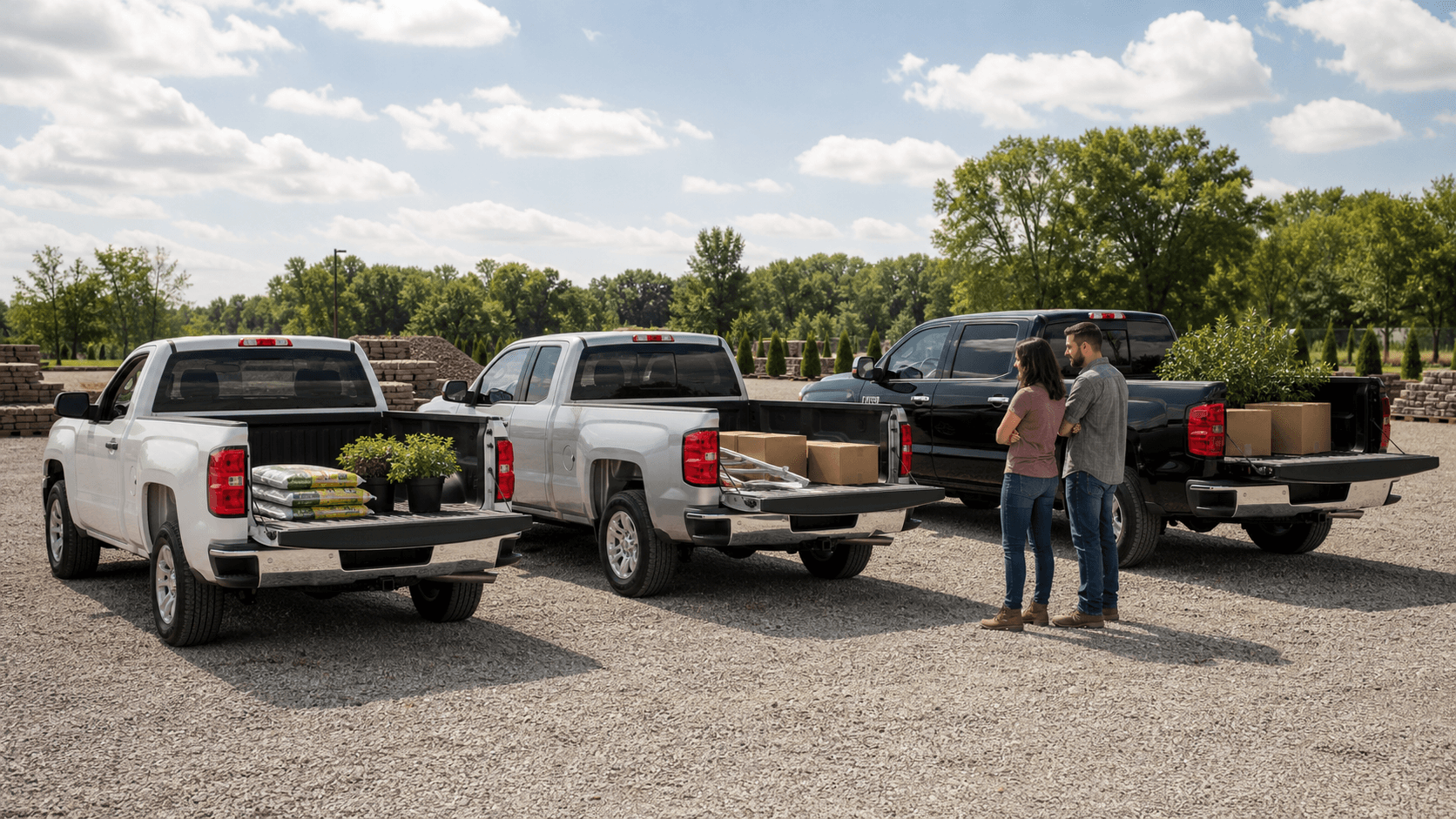
- Coolers or cargo in the bed
- Bed covers and accessories
- Hitch equipment
- Pets and travel supplies
For example, a trailer loaded to 6,000 pounds could place roughly 600 to 900 pounds on the hitch. Add several passengers, bed cargo, and accessories, and a truck can run into payload limits faster than many shoppers expect. That does not mean the Ranger is the wrong truck. It means the setup has to be checked honestly.
Before towing, verify:
- The payload label on the driver's door-jamb area
- The trailer's actual loaded weight
- Expected tongue weight
- Passenger and bed-cargo weight
- Hitch rating
- Trailer-brake requirements for your setup
Choose The Right Ranger Towing Equipment
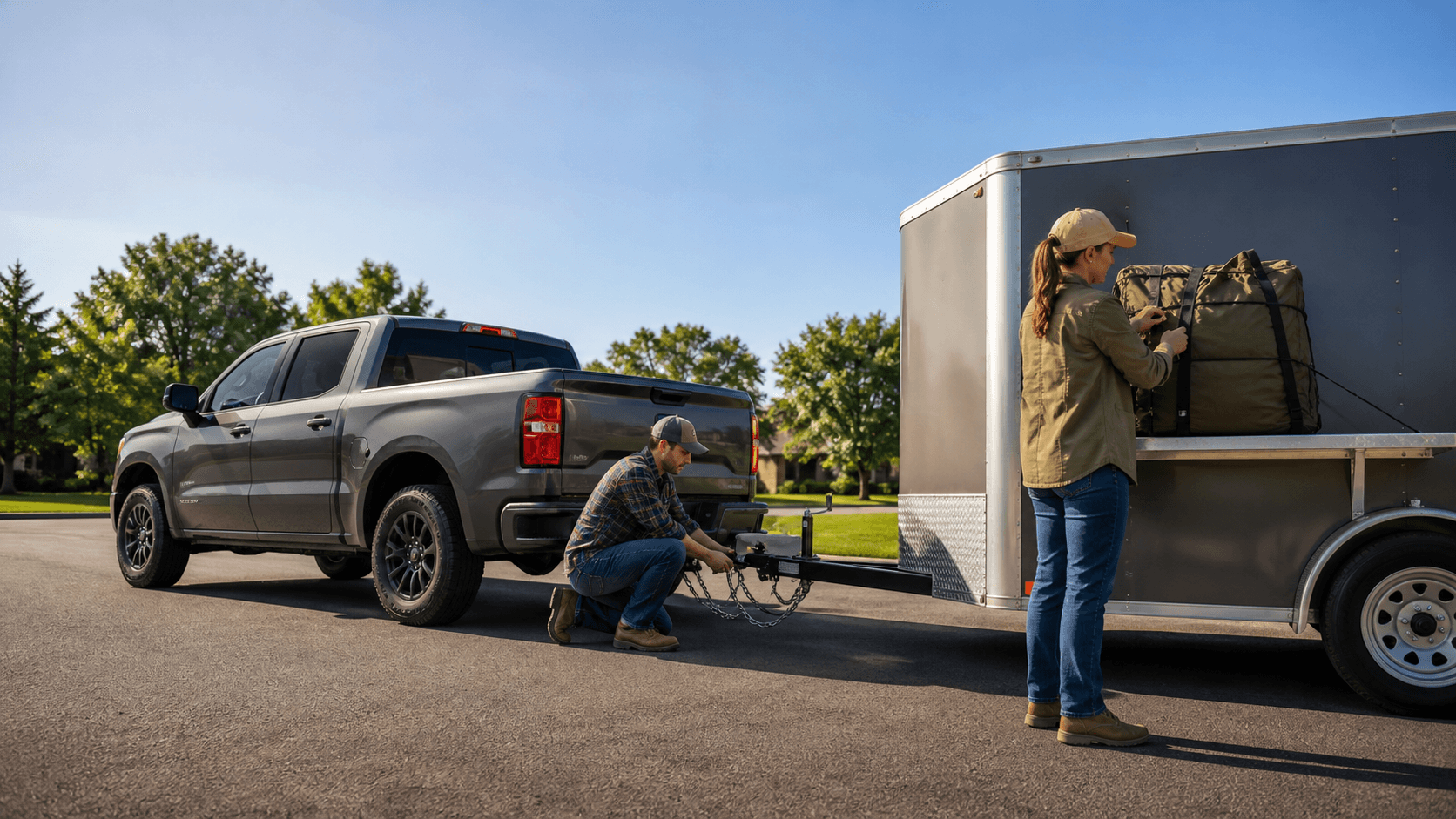
Controlled towing starts with correctly matched equipment. The truck, hitch, trailer coupler, ball mount, hitch ball, safety chains, wiring, and trailer brakes all need to work together.
A basic checklist includes:
- A receiver hitch rated for the intended load
- The correct ball mount and hitch ball size
- Working trailer lights and wiring connections
- Safety chains attached correctly
- Trailer tires inflated to proper pressure
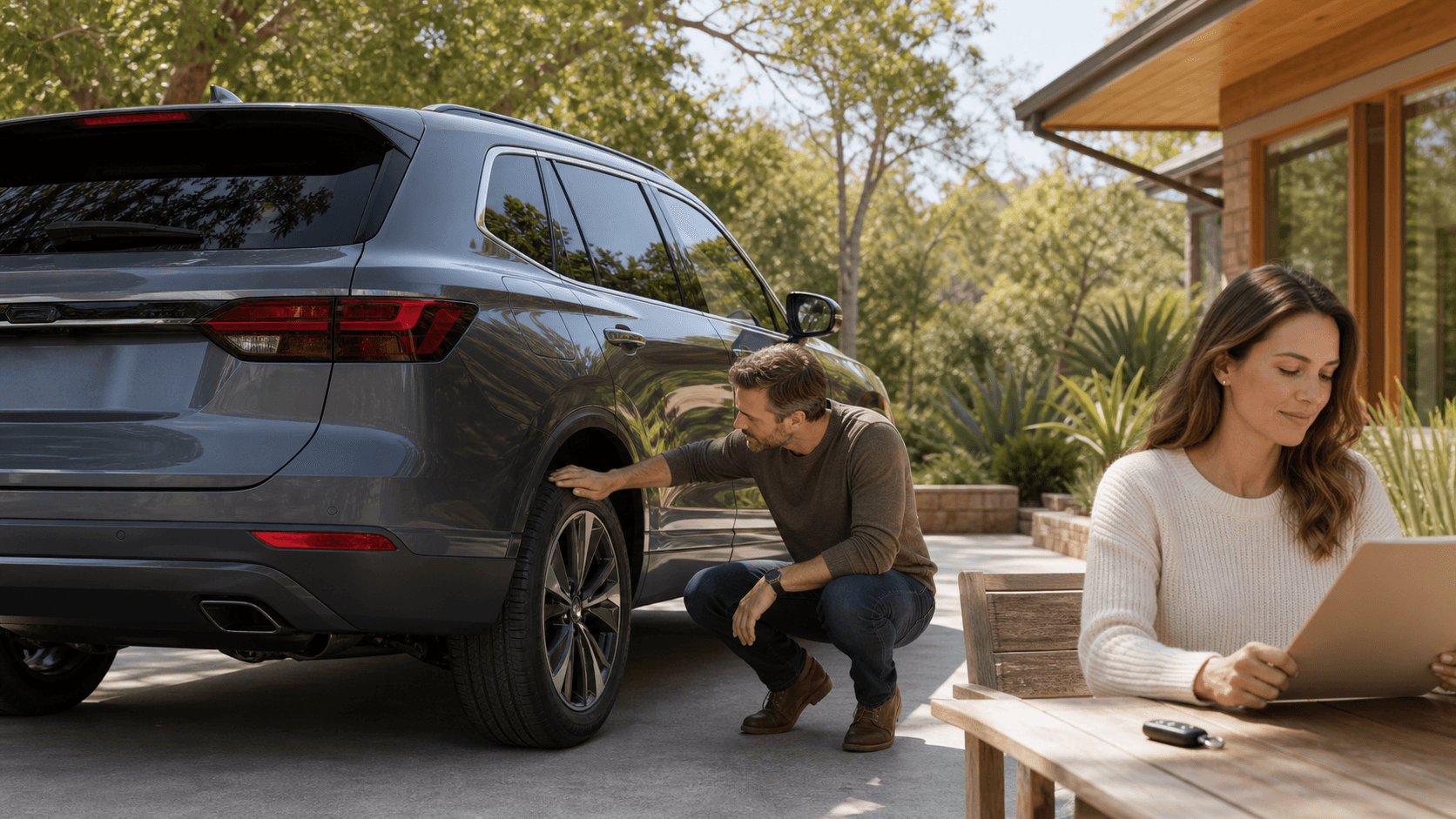
- Truck tires inflated to recommended cold pressure
- Functioning trailer brakes when required or appropriate
- Secure cargo distribution in both truck and trailer
Ford's Ranger towing information also identifies towing-related equipment such as available trailer brake controller content, Tow/Haul mode, and Trailer Sway Control on certain configurations. Content can vary by model, trim, and powertrain, so the exact truck should always be verified before you rely on a feature.
If you are preparing a truck for regular towing or want help evaluating condition before a towing season, the Jim Norton Ford service center can help inspect tires, brakes, battery condition, and other maintenance items that matter before you hook up a trailer.
How To Match The Ranger To The Trailer You Actually Own
A Ranger often makes sense when your trailer stays comfortably inside both towing and payload limits. The word comfortably matters. Many drivers are happier when they leave room for passengers, gear, weather, and real-world travel conditions instead of planning around the absolute maximum.
A Ranger may be a practical fit for:
- Small or medium fishing boats
- Personal watercraft trailers
- Utility trailers
- Compact campers
- Smaller enclosed cargo trailers
- ATV or landscaping-equipment trailers
The best way to judge trailer fit is to use the loaded trailer weight, not the brochure's dry weight. Fuel, water, batteries, gear, tools, and accessories all add weight quickly. What matters is what the trailer weighs on the day you tow it.
Ask these questions:
- What is the trailer's actual loaded weight?
- What is the expected tongue weight?
- How much bed cargo and passenger weight will the truck carry at the same time?
- Does the trailer require brakes?
- Does the Ranger have the right hitch, wiring, and package content?
- Will this trailer setup still make sense if your needs grow later?
When A Ranger Is Better Than An F-150
The Ranger is not automatically the best truck for every trailer. It is often the better choice when you want useful towing ability in a truck that is easier to park, easier to maneuver, and easier to live with day to day around Broken Arrow and Tulsa.
A Ranger is often the better fit when:
- You tow light-to-moderate loads
- The truck will also be a daily driver
- Parking and garage fit matter
- You want truck capability without moving to a full-size footprint
- Your trailer and payload needs stay comfortably within Ranger ratings
An F-150 may be the better fit when:
- You regularly tow heavier campers or equipment
- You need more payload flexibility
- You want more configuration choices for towing
- Your trailer plans may grow over time
- You want more margin between your real load and the truck's maximum rating
If you are deciding between truck sizes, Jim Norton Ford also has a helpful comparison on Ford Ranger versus F-150 for Broken Arrow. If your towing needs are already pushing beyond midsize-truck comfort, you may also want to review the dealership's Ford F-150 options before you decide.
Prepare For Real Northeast Oklahoma Towing Conditions
Good towing decisions are not only about numbers on paper. Weather, terrain, traffic, and trip length all change how a trailer feels on the road.
In Northeast Oklahoma, towing conditions can include:
- Rain and slick road surfaces
- Strong crosswinds
- Highway merging around Tulsa
- Boat ramps and wet launch areas
- Rural roads with uneven pavement
- Cooler mornings that affect tire pressure
Ford's towing guidance also reminds drivers to check tire pressures cold, recheck hitch attachment and electrical connections after about 50 miles, use extra caution when passing, and allow extra stopping distance. Tow/Haul mode, when equipped and appropriate, can help reduce unnecessary gear searching and help control vehicle speed on grades, but it does not replace careful driving.
A practical pre-trip routine should include:
- Check truck and trailer tire pressures
- Inspect trailer tires for age and damage
- Test lights and electrical connections
- Confirm hitch attachment and coupler latch
- Verify safety chains and breakaway setup
- Secure all cargo
- Check mirrors and visibility
- Confirm fluid levels and warning lights
- Recheck key towing hardware after the first stretch of the trip
Decision Framework
Best Option
The best Ranger towing setup is the one that fits your actual trailer, keeps you comfortably within every rating, and leaves room for passengers, gear, and real-world driving conditions.
Pros And Cons Of Using A Ranger For Towing
Pros
- Strong capability for many common recreational and utility trailers
- Easier to maneuver than many full-size trucks
- Practical size for mixed daily driving and towing use
- Can be a smart balance of utility and everyday comfort
Cons
- Payload can become a limit sooner than many drivers expect
- Not every Ranger is equipped the same way
- Maximum towing depends heavily on configuration and equipment
- Heavier or growing trailer plans may point you toward an F-150 instead
Common Mistakes Buyers Make
- Shopping by maximum tow rating alone
- Ignoring payload and tongue weight
- Using trailer dry weight instead of loaded weight
- Assuming every Ranger can tow the same amount
- Forgetting to account for passengers and bed cargo
- Assuming an aftermarket hitch creates factory-equivalent towing capability
- Not checking the truck's actual labels and required equipment
- Towing too close to the maximum with no practical margin
Ford Ranger Towing Checklist
Use this checklist before towing or before buying a Ranger for towing duty:
- Confirm the exact Ranger model year, trim, engine, and drivetrain.
- Review the applicable Ford towing guide.
- Check whether the truck has the required factory towing equipment.
- Verify the receiver hitch and tongue-weight ratings.
- Check the driver-door payload label.
- Estimate passenger and bed-cargo weight.
- Use the trailer's loaded weight, not dry weight.
- Verify expected tongue weight.
- Confirm trailer brake and wiring needs.
- Inspect tires, lights, chains, and coupler before every trip.
- Leave margin instead of planning right at the maximum rating.
- Compare whether a Ranger or F-150 better fits your long-term towing plans.
Frequently Asked Questions
How much can a Ford Ranger tow?
Some properly equipped Ford Ranger configurations are rated up to 7,500 pounds of maximum loaded trailer weight, but the exact amount depends on model year, configuration, cargo, passengers, and required equipment.
Does every Ford Ranger tow 7,500 pounds?
No. Towing varies by engine, drivetrain, trim, model year, and equipment. The exact truck must be verified before you rely on that number.
Why is payload important when towing?
Because tongue weight, passengers, bed cargo, and accessories all count against payload. A trailer can be within towing limits and still overload payload.
What is tongue weight?
Tongue weight is the downward force the trailer applies to the hitch. It affects stability and uses part of the truck's payload.
Can I tow the same amount with the bumper as with the hitch receiver?
No. Ford's towing information shows lower towing limits for the rear step bumper than for the hitch receiver on the Ranger.
Do I need the Trailer Tow Package on a Ranger?
For certain towing situations, yes. Ford's 2026 Ranger towing information says trailers over 3,500 pounds require the available Trailer Tow Package.
Should I use dry trailer weight or loaded trailer weight?
Use loaded trailer weight. Dry weight does not include cargo, gear, water, fuel, or other items you may actually tow.
Is a Ranger enough for a small camper or boat?
Often, yes, if the trailer's loaded weight, tongue weight, and the truck's total payload use all stay within the proper ratings.
When should I consider an F-150 instead?
Consider an F-150 if you tow heavier trailers regularly, need more payload flexibility, or want more towing margin for future needs.
What should I inspect before towing?
Check tire pressures, hitch attachment, wiring, trailer lights, chains, coupler latch, breakaway setup, fluid levels, and cargo securement.
Does four-wheel drive increase towing capacity?
Not automatically. Towing capacity depends on the full vehicle configuration and equipment, not just whether the truck has four-wheel drive.
Can dealership staff help me compare towing setups?
Yes. Comparing the exact truck, trailer, equipment, and ratings in person is one of the best ways to avoid a mismatch.
Find The Ranger That Fits Your Towing Needs
At Jim Norton Ford, we can help you compare available configurations, equipment, and ratings for a Ford Ranger in Broken Arrow that suits your work, recreation, or weekend plans. Our team can also answer questions about towing-related features and help you review the details that matter for your trailer. When you are ready to discuss your options, contact us for personalized assistance.