Choose a Winter Work Vehicle That Keeps Crews Moving
Winter work in Northeast Oklahoma is about more than snow. Cold rain, freezing mornings, slick bridges, muddy jobsites, high winds, short daylight hours, and quick temperature changes can all affect how reliably your crew gets through the day.
When we help businesses compare Ford commercial vehicles in Broken Arrow, we start with the workday, not the biggest available capability number. The right choice depends on who drives, what they carry, where they travel, how often they tow, and whether the vehicle also serves as a mobile office, workshop, delivery unit, or crew vehicle.
A contractor pulling enclosed equipment has different needs than an HVAC technician who needs organized tools inside a dry cargo area. Municipal teams, landscaping crews, delivery operations, and field-service businesses also face different winter demands. Ford commercial options can include trucks, chassis cab models, vans, and available electrified choices, so matching the vehicle to the job matters.
Match the Truck or Van to Winter Job Loads
Start with your normal load profile. Tools, materials, crew members, fuel tanks, cargo racks, trailers, and installed equipment all affect which truck or van is a practical fit.
For lighter-duty towing and frequent driving between customer sites, an F-150 may make sense for businesses that need work capability along with everyday comfort. A properly configured truck can also fit owners or managers who use one vehicle for both business and personal driving.
Super Duty trucks may be a better match when the daily work involves heavier trailers, larger equipment, plows, vocational bodies, or repeated demanding towing. The right configuration matters just as much as the model name. Cab style, bed length, wheelbase, engine, axle ratio, drivetrain, and payload package can all change how a truck works in the real world.
Transit vans can be especially useful for service businesses that need enclosed cargo and quick access to organized tools in wet or cold conditions. Instead of climbing into an open bed in the rain, a technician may have shelves, partitions, bins, and equipment stored inside the vehicle.
When comparing Ford commercial vehicles in Broken Arrow, we recommend looking at the daily job instead of choosing based on appearance or a general maximum rating. Confirm the exact vehicle's specifications and certification label before assigning a truck or van to a demanding role.
Confirm Payload, Towing, and Upfit Needs Early
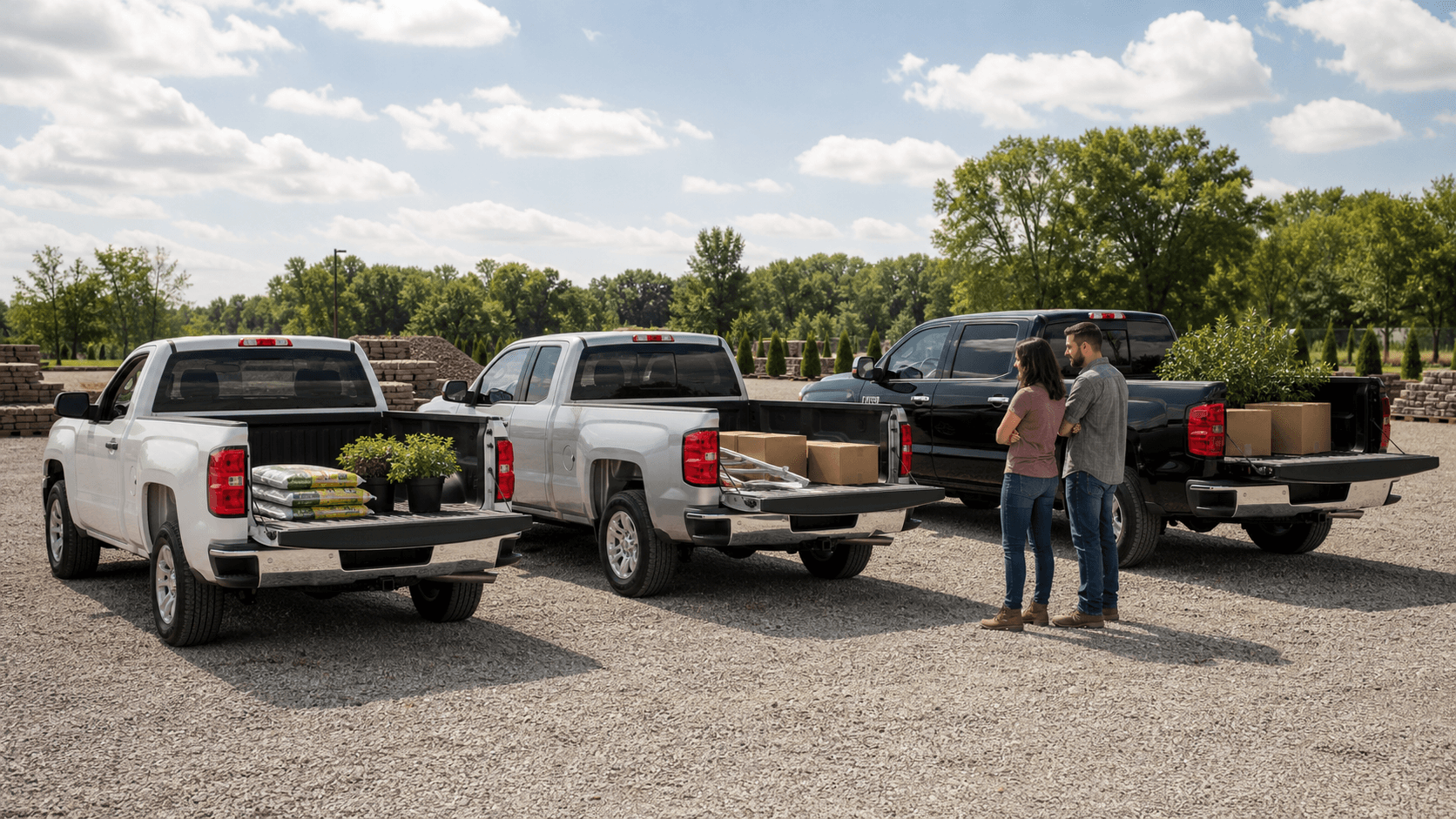
Winter equipment can use up available capacity faster than many business owners expect. A plow, spreader, toolboxes, ladder racks, shelving, generator, auxiliary fuel tank, and seasonal supplies all add weight before passengers and job materials are loaded.
It helps to separate two terms that are often confused:
- Payload is the weight carried in or on the vehicle, including people, tools, cargo, and installed equipment.
- Towing is the weight of the trailer and everything loaded on it.
- Upfits are additions such as service bodies, shelving systems, racks, partitions, or specialty equipment.
- Weight distribution matters because equipment placed in the wrong area can affect handling and available capacity.
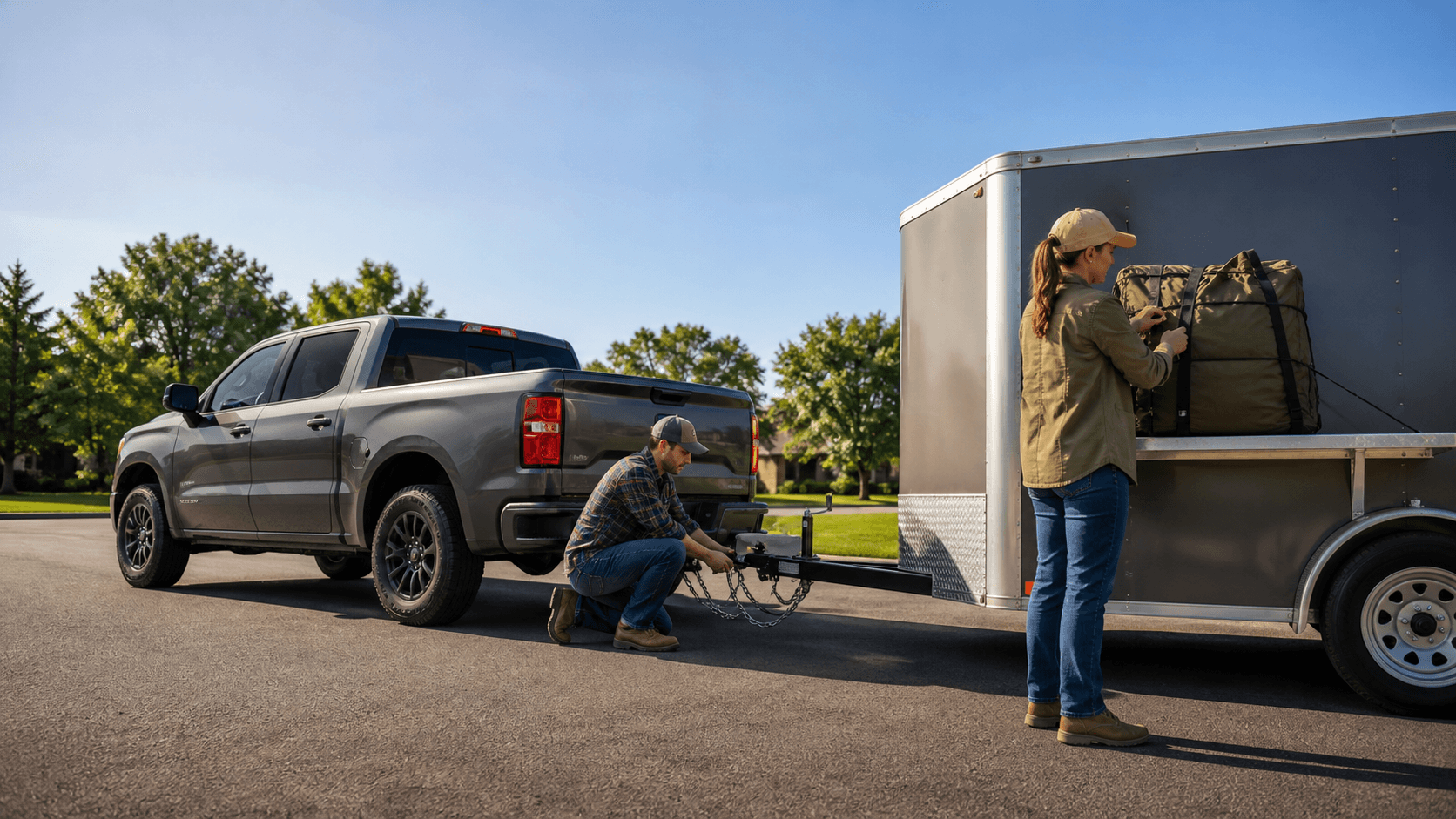
A truck may have a strong published towing rating but less payload available after a crew, hitch equipment, tools, and cargo are added. That is important for teams that tow equipment while carrying materials in the bed or cab.
Upfit planning should happen before ordering a vehicle. A plumbing company may need shelving and partitions in a van, while a utility contractor may need a service body or equipment racks. Some operations may benefit from a Super Duty chassis cab designed to accept a vocational body. We can help you discuss body-builder compatibility, electrical needs, trailer type, fitment, and warranty considerations before the vehicle enters service.
Specify Winter Traction, Visibility, and Driver Support
Four-wheel drive can be helpful for businesses traveling to muddy jobsites, rural properties, unpaved roads, and areas affected by ice or snow. Still, four-wheel drive improves traction, not stopping distance. Drivers still need appropriate tires, slower speeds, more following room, and careful braking on wet or icy roads.
Tire choice is also a fleet decision. All-season tires may fit many Tulsa-area operations, while teams that regularly travel on rural roads, steep driveways, unpaved properties, or harsher winter surfaces may want to evaluate all-terrain or severe-snow-rated options. We encourage businesses to balance traction needs with tread life, ride quality, road noise, and fuel use.
Useful winter-focused equipment may include:
- Heated mirrors for clearing moisture and frost
- Cameras and available trailer-assist technology for better awareness
- Available Ford Co-Pilot360 driver-assist features
- Remote start, where equipped, for cold-weather convenience
- SYNC connectivity to support communication and daily workflow
Driver-assist technology has limits and is not a replacement for an attentive driver. Winter fleet inspections should also include lighting, wiper condition, washer fluid, battery health, tire condition, brakes, and defroster performance.
Plan for Winter Operating Costs and Vehicle Downtime
The best commercial vehicle is not simply the one with the lowest starting cost. It is the one that can reliably do the work while helping you manage fuel use, maintenance, repair scheduling, driver productivity, and downtime. A vehicle that lacks the right cargo room, towing ability, traction, or upfit support can create daily problems long after it joins the fleet.
Powertrain selection deserves the same practical review. EcoBoost engines may appeal to businesses that value low-end torque and everyday drivability. Available PowerBoost Hybrid capability on applicable Ford truck models may fit operations that want electrified capability and available Pro Power Onboard functionality. Before choosing, we recommend considering route patterns, towing frequency, idling needs, payload, and fuel priorities.
Electrified trucks or vans can bring a different set of planning needs. Cold weather can affect range, while charging access, accessory use, and predictable routes may influence whether an electrified vehicle fits a specific job. A mixed fleet may be appropriate when different crews have different routes and equipment demands.
Routine maintenance supports winter uptime. Reviewing Ford maintenance schedules, testing batteries and charging systems, monitoring fluids, and inspecting brakes and tires before severe weather can help businesses prepare for difficult workdays. FordPass, FordPass Rewards where applicable, Ford Protect options, and Ford Credit commercial financing may also be worth discussing based on ownership plans and cash-flow needs.
Build a Winter Fleet Plan Before Demand Increases
Before shopping or replacing a work vehicle, create a one-page needs list for each role in your fleet. Include the heaviest normal load, trailer weight, number of occupants, daily mileage, jobsite conditions, cargo-access needs, upfit requirements, preferred service timing, and expected business growth. That information makes it easier to compare suitable truck, van, and chassis cab configurations without guessing.
For continued planning, it can also help to review related topics such as Super Duty towing and payload, Transit cargo and upfits, EcoBoost versus PowerBoost Hybrid for work fleets, Oklahoma winter maintenance, commercial financing, and trade-in evaluation for fleet replacement. A clear plan gives your business a better way to verify capability, prepare for winter conditions, and keep each vehicle assigned to work it can handle confidently.
Match Your Fleet to the Work Ahead
At Jim Norton Ford, we can help you compare Ford commercial vehicles in Broken Arrow by configuration, available equipment, and the demands of your operation. Bring your typical cargo, trailer, route, and upfit requirements so our team can help narrow the options that fit your business. For personalized guidance or current inventory questions, contact us.