How To Choose The Right Ford F-150 Cab And Bed
Primary Customer Question
How do you choose the right Ford F-150 cab and bed for your needs?
Quick Answer
The right Ford F-150 cab and bed depend on how you use your truck most days, not just the biggest configuration available. If rear-seat comfort, child-seat access, or carrying coworkers matters most, start by comparing cab styles carefully. If hauling tools, lumber, equipment, or longer cargo is the priority, bed length deserves just as much attention. For many shoppers, the best setup is the one that balances passenger space, cargo flexibility, towing needs, parking comfort, and overall truck length. A SuperCrew can make sense for families and drivers who regularly carry passengers, while a shorter bed may be easier to live with in neighborhoods, parking lots, and garages around Broken Arrow and Tulsa. A longer bed may be more practical for work-focused hauling or certain trailer setups, but it also creates a longer truck to park and manage every day. Before deciding, measure your garage or parking space, think through your most common cargo, and verify towing or payload needs for the exact truck configuration. When you compare cab style, bed length, and real-world use together, the right F-150 choice becomes much easier.
Start With Daily Life, Not The Biggest Truck
Choosing the right Ford F-150 cab and bed starts with your normal day, not the biggest truck on the lot. The cab affects passenger room, rear access, and interior storage. The bed influences cargo flexibility, overall vehicle length, parking comfort, and, when applicable, clearance considerations for certain fifth-wheel or gooseneck trailer setups.
For many F-150 shoppers in Broken Arrow, the truck may need to cover several jobs in the same week: commuting, school pickup, jobsite stops, errands, home projects, towing, and weekend recreation. That is why a clear list of priorities makes this decision much easier.
Before you compare specific trucks, ask yourself:
- How often do I carry adults in the back seat?
- Do I regularly use child seats?
- What is the longest item I haul often?
- Will I park in a garage, carport, or tight work lot?
- How often will I tow, and what kind of trailer will I use?
- Do I need bed space more often than passenger space?
If you answer those questions first, the right cab-and-bed combination usually becomes much clearer.
What The Cab And Bed Decision Really Changes
Many shoppers think this choice is mostly about appearance. In practice, it affects how the truck works every day.
| Area Of Comparison | Cab Style Matters Most For | Bed Length Matters Most For |
|---|---|---|
| Passenger comfort | Rear-seat room, entry and exit, child-seat use | Not the main factor |
| Interior storage | Space for bags, gear, and in-cab items | Not the main factor |
| Cargo flexibility | Indirectly, because a larger cab can affect overall truck length | Directly affects how long and bulky cargo fits |
| Parking and maneuvering | Larger cabs can increase overall length | Longer beds can further increase overall length |
| Trailer planning | Passenger and in-cab space for travel gear | Can matter for cargo layout and some trailer-clearance considerations |
| Daily convenience | Family use, crew transport, access to rear seating | Loading materials, tools, and equipment |
That is why choosing the right F-150 setup is usually about balance, not extremes.
Match The Truck To Your Daily Routine
Start with what the truck will do most often. Drivers who regularly carry children, coworkers, friends, or travel gear may put rear-seat room at the top of the list. Drivers who haul lumber, ladders, tools, coolers, equipment, or outdoor gear may care more about bed length.
Broken Arrow drivers often move between neighborhood streets, Tulsa-area highways, rural roads, driveways, and crowded parking lots. A truck that fits comfortably where you park every day can be a better match than a longer configuration that provides extra space you only use occasionally.
Write down your priorities before you shop:
- Rear-seat room for family or crew members
- Space for tools, supplies, or bed storage
- Towing plans and trailer type
- Garage, carport, workplace, and parking-space limits
- The items you haul most often
- Whether the truck will be primarily personal, work, or mixed use
Not every cab-and-bed combination is available with every model year, trim, engine, package, or inventory cycle. Start with the configuration that fits your routine, then confirm what is actually available on the trucks you are considering.
Understand The F-150 Cab Choices
Cab style determines how the truck feels to live with every day. It shapes passenger access, interior comfort, and how flexible the truck is when you are not using the bed.
Regular Cab
A Regular Cab is a single-row, work-focused configuration. It seats passengers in the front and does not provide a rear passenger seating area. Depending on the truck, there may be limited space behind the seats for smaller items. This setup can suit drivers who usually travel alone or with one passenger and want to prioritize a straightforward work-truck layout.
Who It Often Fits Best:
- Solo drivers
- Work-focused buyers
- Shoppers who place less emphasis on rear seating
- Buyers who want to keep the truck's purpose simple
Potential Tradeoffs:
- No rear passenger seating
- Less flexibility for family use
- Limited in-cab storage compared with larger cabs
SuperCab
A SuperCab adds rear seating and rear access doors. It can be a practical middle ground for drivers who occasionally carry extra passengers, pets, or gear but do not need the largest rear cabin every day.
Who It Often Fits Best:
- Drivers who sometimes carry passengers
- Shoppers who want more flexibility than a Regular Cab
- Buyers balancing cabin room and truck size
Potential Tradeoffs:
- Rear-seat space may not be ideal for every family's daily use
- Child-seat routines and adult rear-seat comfort should be tested in person
SuperCrew
A SuperCrew has four full-size doors and generally offers the most rear-seat room of the F-150 cab choices. Families, work crews, and drivers who regularly use child seats or carry luggage may appreciate the easier access and added room.
Who It Often Fits Best:
- Families
- Drivers with frequent rear-seat passengers
- Buyers who use the truck as both a people-mover and cargo hauler
- Shoppers who want more everyday comfort
Potential Tradeoffs:
- A larger cabin can mean a longer truck overall, depending on bed choice
- More cabin space may matter less if you rarely carry passengers
If rear-seat comfort matters, sit in the back seat yourself. Better yet, bring the people who will use it most often.
Understand The F-150 Bed Length Choices
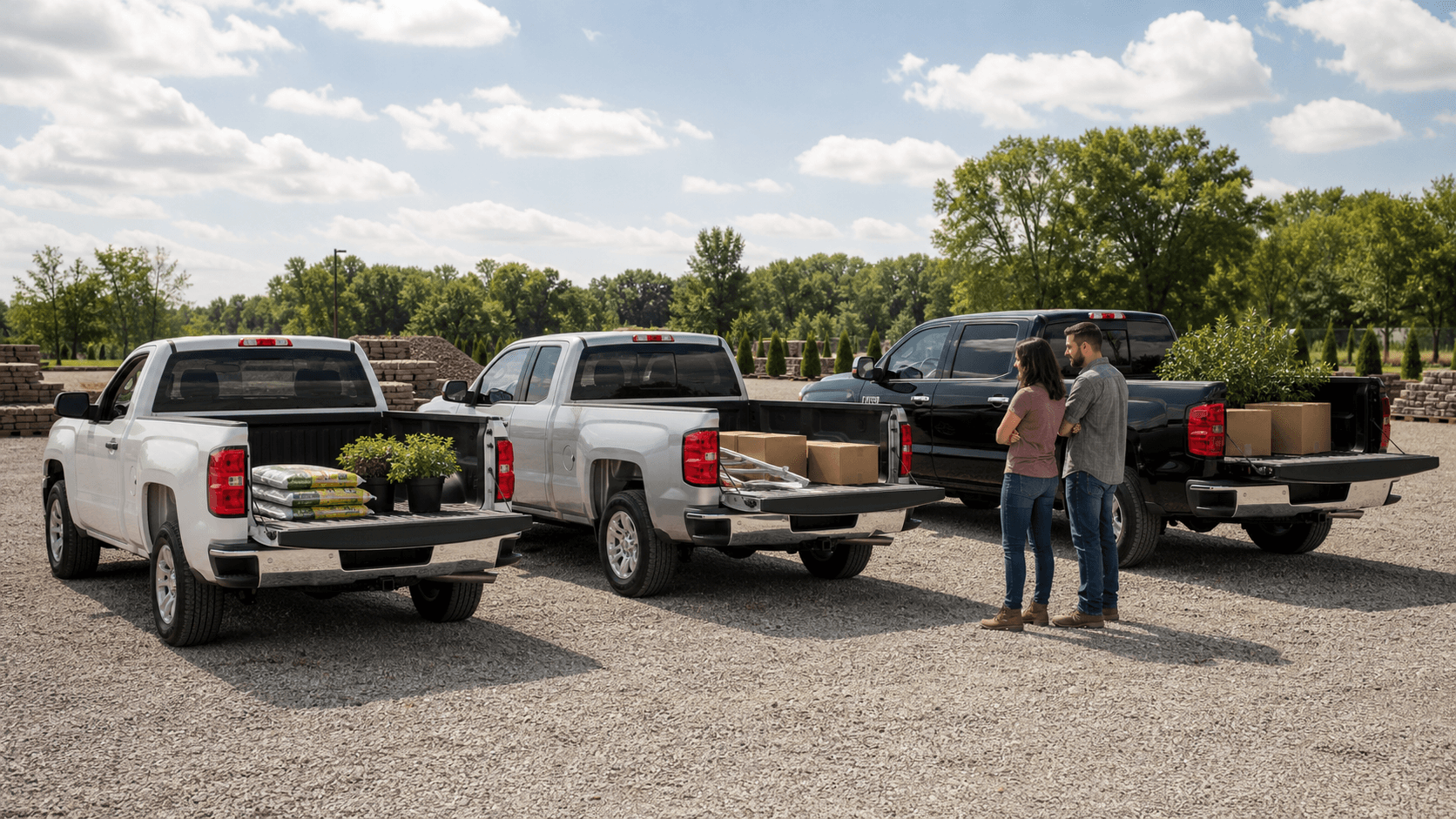
F-150 bed options are commonly described by their nominal lengths: approximately 5.5 feet, 6.5 feet, and 8 feet. Exact dimensions and available pairings can vary, so it is smart to review the details for the specific truck you are considering through official Ford F-150 information and in-person vehicle measurements.
5.5-Foot Bed
This bed is commonly associated with configurations focused on everyday usability. It can work well for commuting, errands, sports gear, home-improvement supplies, and many weekend projects.
Who It Often Fits Best:
- Family-focused shoppers
- Drivers who prioritize parking ease
- Buyers who haul moderate cargo more often than extra-long items
Potential Tradeoffs:
- Longer materials may require the tailgate down
- Cargo organization becomes more important when space is shorter
6.5-Foot Bed
A 6.5-foot bed often provides a useful middle ground between cargo flexibility and maneuverability. It may suit drivers who carry tools, camping equipment, home-project materials, or job supplies but still want a truck that feels manageable around town.
Who It Often Fits Best:
- Mixed-use truck owners
- Buyers balancing work and everyday driving
- Shoppers who want more cargo room without always moving to the longest layout
Potential Tradeoffs:
- Overall length can still become a parking consideration depending on cab style
- It may not offer the same maximum cargo length as a longer bed
8-Foot Bed
An 8-foot bed is worth considering for frequent hauling of long materials, work equipment, or larger loads. It can be a strong fit for drivers whose truck is more tool than lifestyle vehicle.
Who It Often Fits Best:
- Jobsite-focused buyers
- Drivers who routinely haul longer cargo
- Shoppers with work demands that justify the extra length
Potential Tradeoffs:
- More truck to manage in garages, drive-throughs, parking lots, and tighter streets
- May be more truck than many daily commuters need
Measure the items you actually haul rather than estimating. A driver who occasionally brings home long materials may do well with a shorter bed and proper load securement. A driver who routinely carries long cargo may be better served by a longer bed from the start.
Balance Family Space, Cargo Space, And Parking
The ideal F-150 is usually a thoughtful compromise. A larger cab and longer bed can increase flexibility, but the truck still needs to fit your passengers, cargo, and parking routine.
When rear passengers matter, test the cabin with real use in mind. Consider door opening space, step-in ease, legroom, personal-item storage, and how comfortably children or adults can get in and out. If child seats are part of your routine, check how they fit and whether front-seat comfort changes after installation.
It also helps to measure the places where the truck will spend time:
- Garage depth
- Carport clearance
- Work parking
- Apartment or neighborhood parking
- Trailer-storage space
- The most crowded shopping areas you visit
Overall vehicle length varies by cab, bed, trim, and equipment. Do not assume all F-150s take up the same amount of space.
If you are still narrowing down body style and daily usability, the dealership's Ford F-150 research page can be a helpful place to compare how the truck fits broader work, family, and technology priorities before you choose a specific configuration.
Think About Bed Accessories Before You Decide
Bed accessories can change how useful the cargo area feels. A truck that looks right on paper may work differently once a cover, toolbox, divider, or cargo-management setup is installed.
Common bed-related considerations include:
- Tonneau covers for covered cargo
- Bed liners for bed protection
- Bed dividers for load organization
- Tie-down systems for securing equipment
- Toolboxes that use a portion of bed space
- Bed extenders for certain cargo situations
Always confirm accessory fitment for the specific bed length, bed style, model year, and truck configuration before purchasing. Accessory needs can also influence which bed length feels practical over time.
Consider Towing, Payload, And Real Capability Carefully
Cab and bed choice are only part of selecting the right truck for hauling or towing. Payload and towing ratings can vary based on engine, drivetrain, axle ratio, wheels, tires, cab, bed, packages, and other installed equipment. That is why broad maximum figures should never replace the information for the exact truck you are considering.
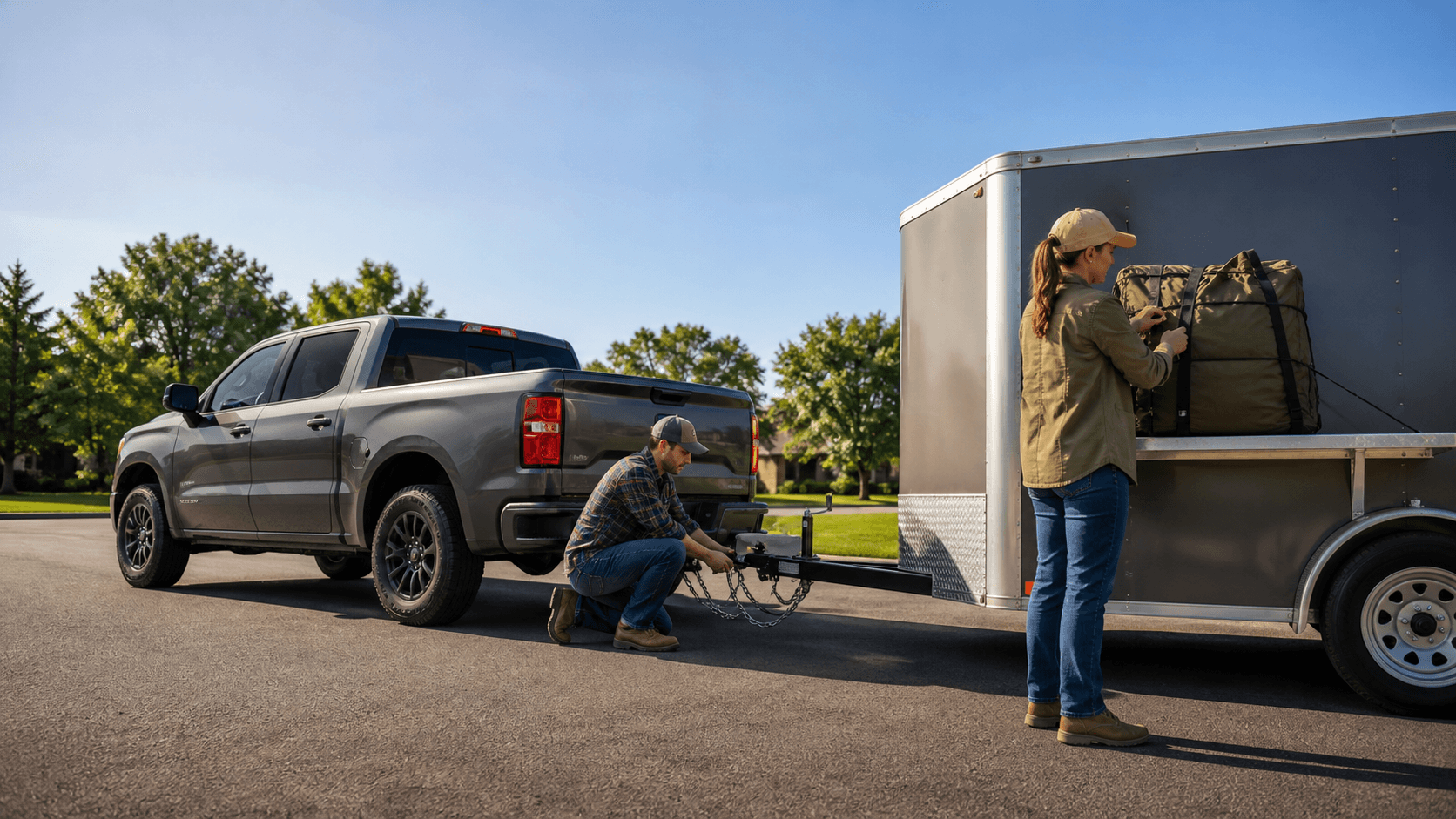
Match the truck to your real load, including passengers, cargo, equipment, trailer weight when loaded, and hitch equipment. For towing, confirm the trailer's loaded weight, tongue weight, hitch requirements, and any required towing equipment. Official Ford towing resources can help you understand why configuration matters so much when comparing one F-150 to another.
If you are considering a fifth-wheel or gooseneck trailer setup, talk with a qualified truck and trailer professional about hitch compatibility and clearance before making a purchase. The right answer depends on the trailer and the specific truck, not just the model name.
Cooler weather in Northeast Oklahoma can also bring hunting trips, home projects, and equipment hauling. It makes sense to plan for seasonal use, but not to buy more truck than your everyday life actually needs.
When One Cab Or Bed Is Usually Better Than Another
A Regular Cab is often the better fit when:
- You usually drive alone or with one passenger
- Rear seating is not a priority
- The truck is mainly for work-focused use
- Simplicity matters more than family flexibility
A SuperCab is often the better fit when:
- You need occasional rear seating
- You want more flexibility without always prioritizing maximum rear-seat space
- The truck will split time between work and personal use
A SuperCrew is often the better fit when:
- Rear-seat access matters often
- You use child seats
- Family travel, crew transport, or daily passenger comfort is important
- The truck will serve as a primary household vehicle
A Shorter Bed Is Often Better When:
- Parking ease matters
- You commute often
- Most cargo is moderate in size
- Passenger space is a higher priority
A Longer Bed Is Often Better When:
- You regularly haul long materials
- The truck is more work-focused than family-focused
- Cargo flexibility matters more than parking convenience
- Your daily environment has room for a longer truck
Decision Framework
Best Option
The best F-150 cab and bed combination is the one that fits your most common routine with the fewest compromises. For many shoppers, that means choosing the cab style that suits daily passenger use first, then selecting the shortest bed that still handles the cargo and trailer demands you expect regularly.
Pros And Cons Of Prioritizing A Larger Cab
Pros
- More rear-seat room
- Better family and passenger flexibility
- Easier child-seat access in many cases
- More comfort for daily mixed use
Cons
- Can increase overall truck size depending on bed choice
- May leave less emphasis on bed length if cargo needs are frequent
- More cabin space may go unused for some work-focused buyers
Pros And Cons Of Prioritizing A Longer Bed
Pros
- More cargo flexibility
- Better for longer materials and work gear
- Can reduce the need for frequent tailgate-down hauling
- May better suit some work or trailer setups
Cons
- Longer overall truck length
- Parking and maneuvering may be less convenient
- More bed space is not always necessary for everyday use
Common Mistakes Buyers Make
- Choosing the biggest truck without thinking through daily parking
- Overestimating how often they carry long cargo
- Underestimating how often they carry rear passengers
- Assuming all F-150 configurations have the same towing or payload capability
- Forgetting to measure garage or carport space
- Buying accessories before confirming bed-length fitment
- Relying on general truck specs instead of the exact vehicle configuration
F-150 Cab And Bed Checklist
Use this checklist before you decide:
- List your most common passenger needs.
- List the cargo you haul most often.
- Measure your garage, carport, or regular parking area.
- Think about where you drive most: neighborhoods, highways, job sites, or tight parking lots.
- Decide whether rear-seat comfort is an occasional need or an everyday need.
- Measure longer cargo items you haul regularly.
- Verify towing and payload requirements for the exact truck.
- Consider bed accessories that may reduce usable cargo space.
- Sit in the rear seat and test cabin access in person.
- Compare at least two configurations side by side before making a final decision.
Compare The Truck On Paper And In Person
On paper, two F-150 configurations can look close enough. In person, they may feel very different. One may fit a child-seat routine better. Another may load tools more easily. Another may fit your garage with room to spare.
That is why in-person comparison matters. Look at rear-seat room, step-in height, bed reach, parking confidence, and how naturally the truck fits your routine. If ownership planning matters too, reviewing the dealership's broader Ford research resources can help you compare related truck topics before making the final decision.
Frequently Asked Questions
What is the best F-150 cab for families?
For many families, a SuperCrew is the easiest place to start because it generally offers the most rear-seat room and easier rear-door access. The best choice still depends on your household's space needs and how often you carry passengers.
What is the best F-150 bed length for everyday driving?
For many shoppers, a shorter bed is easier to park and live with every day. The right answer depends on how often you haul longer cargo.
Is a longer bed always better for towing?
Not automatically. Towing depends on the exact truck configuration, installed equipment, trailer type, and weight. Bed length is only one part of the decision.
Should I choose the cab first or the bed first?
Usually, choose the cab first if passenger use is part of daily life. If the truck is mostly work-focused and cargo demands drive the decision, bed length may come first.
Can I use a shorter bed if I only haul long items occasionally?
In many cases, yes, if the cargo can be secured properly and the truck is used within safe limits. If long cargo is routine, a longer bed may be more practical.
Does cab choice affect overall truck size?
Yes. Cab style can affect overall length, especially when paired with different bed lengths. That is why parking and garage measurements matter.
What if I need rear seats only once in a while?
A SuperCab may be worth a closer look if occasional rear seating is enough and you do not need the most spacious rear cabin every day.
Why should I measure my garage before buying?
Because an F-150 that fits your needs on the road can become frustrating if it does not fit comfortably where you park every day.
Do bed accessories affect usable cargo space?
Yes. Toolboxes, dividers, covers, and other accessories can change how much open space you actually have available.
Can I assume towing capacity from the F-150 model name alone?
No. Towing and payload vary based on configuration, so the exact truck should always be verified before you rely on any rating.
Is the longest bed the best choice for work trucks?
Not always. It depends on what you haul, where you park, and whether the extra length adds more benefit than inconvenience.
What should I bring when shopping for the right F-150 setup?
Bring basic measurements, a list of your most common cargo, passenger needs, parking limits, and any trailer information you have.
Find The Right F-150 For Your Work And Weekend
At Jim Norton Ford, we're ready to help you compare trims, towing features, and available technology to match your needs. Explore our selection of Ford F-150 in Broken Arrow and find a truck that fits your routine. If you have questions or would like assistance, contact us today.