Why a Ford Expedition in Broken Arrow Fits Some Families
The Ford Expedition is a full-size, three-row SUV for families that need serious room, cargo flexibility, towing ability, or confidence in changing weather. For the right household, it can make school mornings, weekend travel, and gear-heavy plans much easier.
Still, bigger is not always better. A Ford Expedition in Broken Arrow may be a strong fit when all three rows get regular use or when a boat, camper, or utility trailer is part of the family routine. Parking space, driving habits, budget, and preferred equipment all matter. Exact seating, features, and availability depend on the model year and vehicle configuration.
Room for School Runs, Carpools, and Fall Weekends
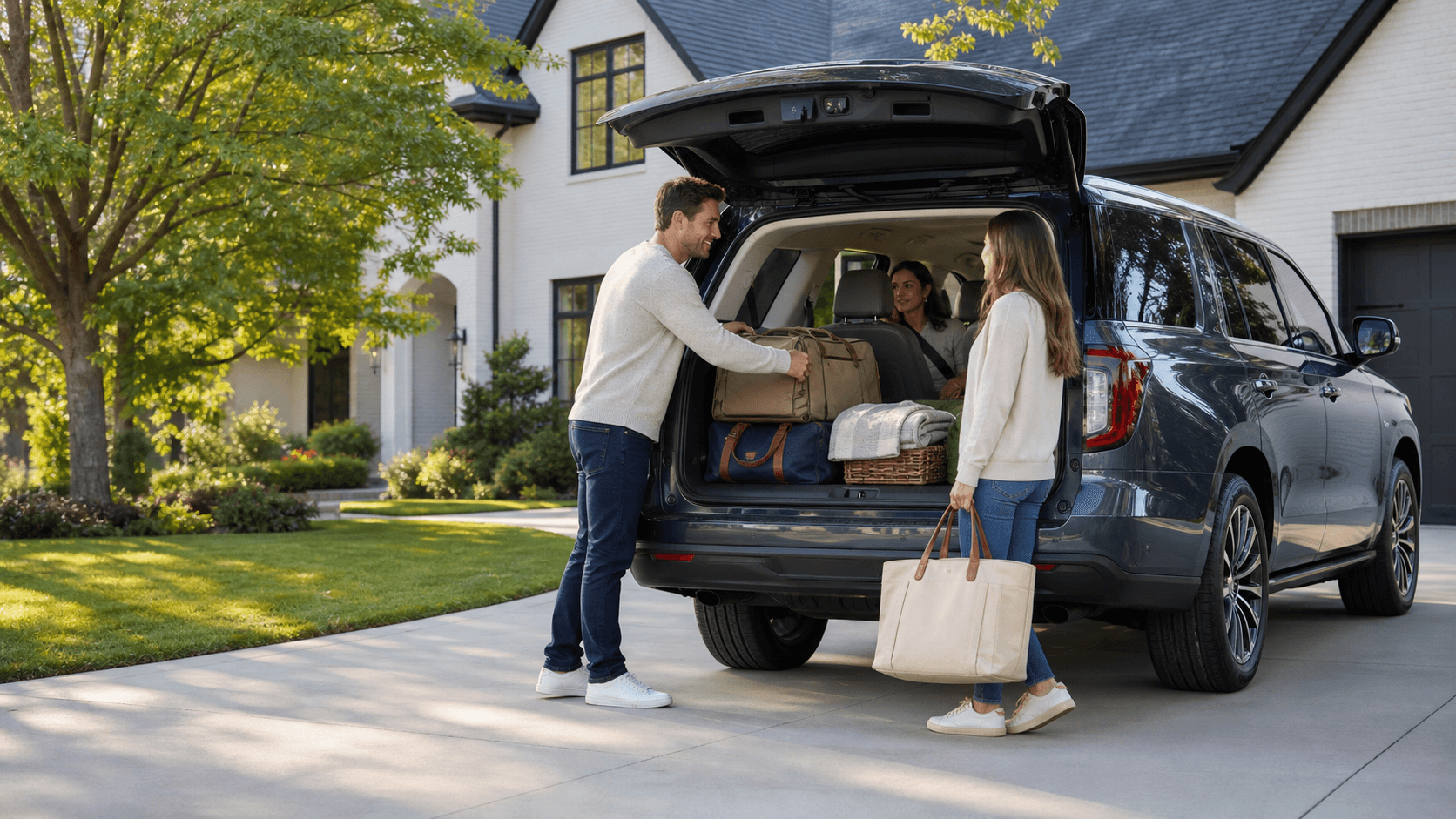
Three rows can be a big help when school carpools, practices, and family outings fill the calendar. The Expedition gives families space to bring people along without leaving every bag, stroller, cooler, or grocery sack behind. Before choosing any SUV, it helps to think about how often every seat will truly be occupied.
The standard-length Expedition may suit families that want roomy passenger space with a more manageable body length. The Expedition MAX can make more sense for households that often carry passengers in all three rows and still need a large cargo area. That extra length can be useful on lake trips and fall sports weekends, but it may feel less convenient in compact garages, crowded school lines, or tight parking spaces.
Bring along the items that shape your daily routine when you test-drive an SUV:
- Child safety seats for the seating positions you plan to use
- A stroller, sports bag, cooler, or folding chair
- Family members who may ride in the third row
- A realistic amount of grocery or travel cargo
Pay close attention to third-row access, seat folding, and how much cargo room remains when every seat is in use. Always consult the owner's manual for child-seat installation instructions and LATCH details for the specific vehicle.
Towing, Technology, and Oklahoma Weather Readiness
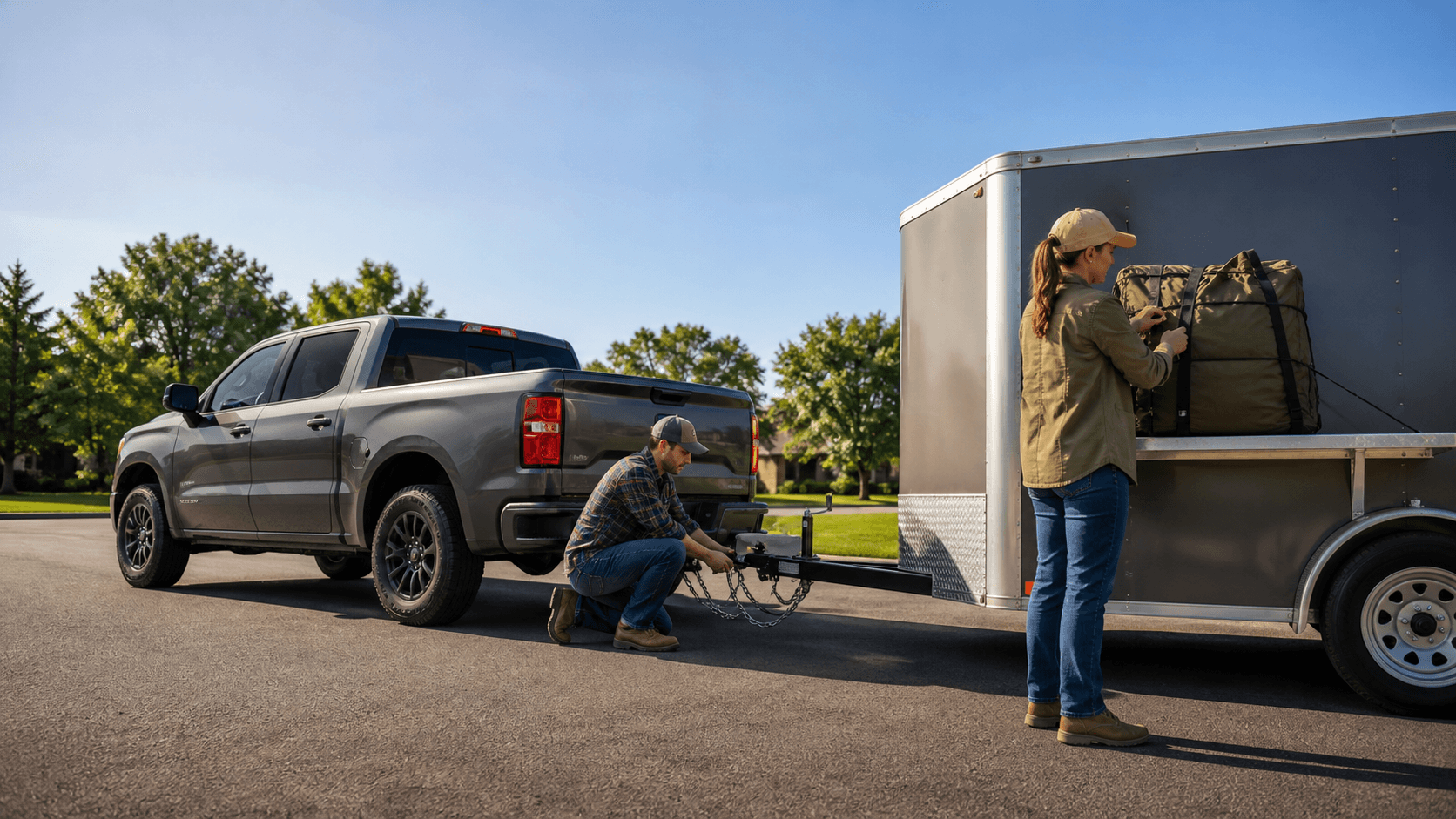
For some families, towing is the reason to consider an Expedition. A trip to Grand Lake may involve a boat, while other weekends may call for a camper or utility trailer. Yet towing capacity is not one simple number. It can change based on model year, drivetrain, wheelbase, installed equipment, passenger load, cargo, trailer setup, and towing package.
Before selecting a trailer, review the current Ford towing guide and the labels on the specific vehicle. Available equipment may include trailer brake controls, trailer backup assistance features, and camera views. These tools can be helpful, but they do not replace safe loading, proper hitching, careful braking, and sensible trailer-weight practices.
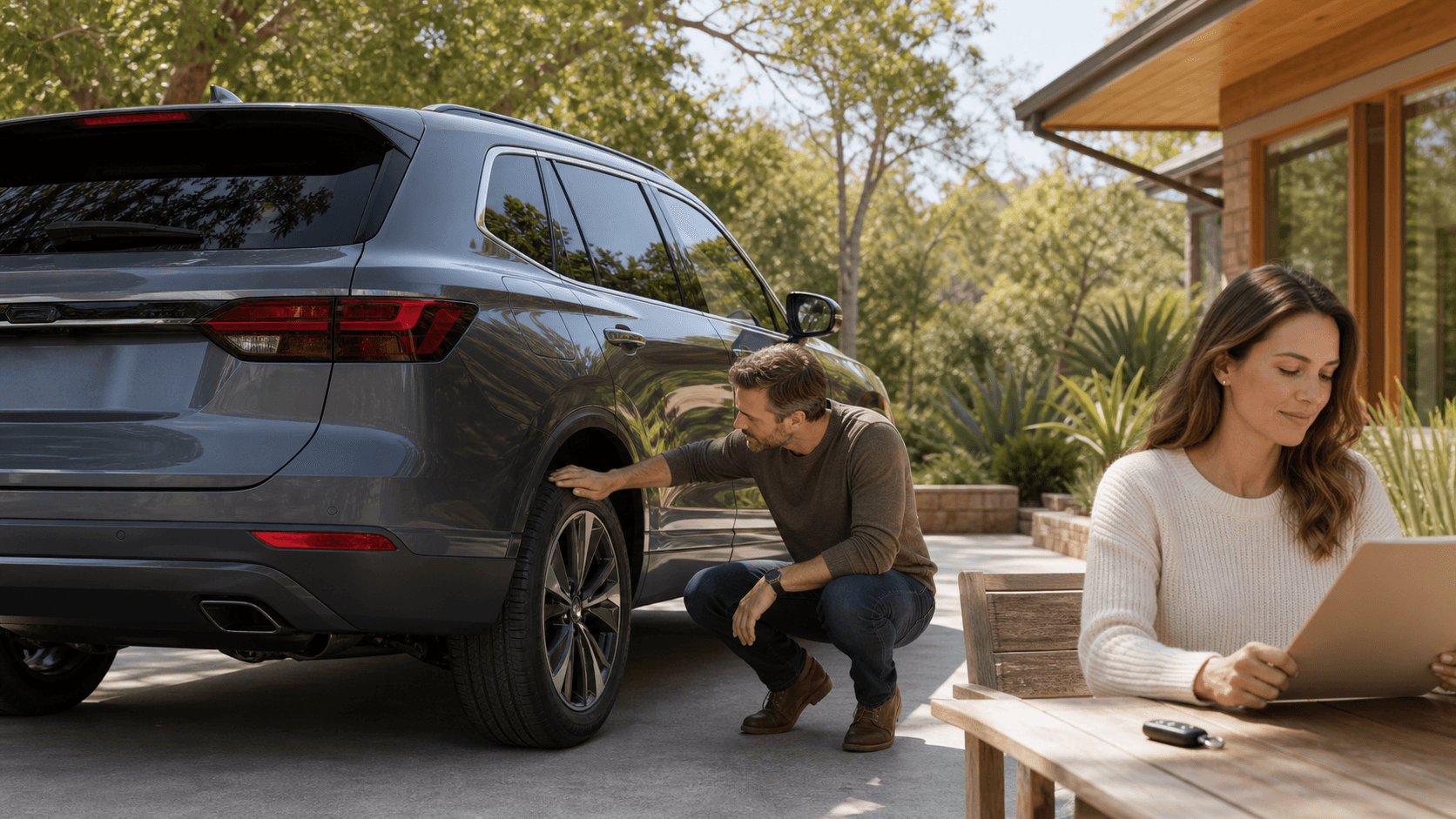
Oklahoma weather also deserves a practical look. Available four-wheel drive can help on wet roads, unpaved areas, or slippery surfaces. It does not replace suitable tires, extra following distance, or slower driving in heavy rain and severe weather. Confirm that a specific Expedition has the drivetrain, tire setup, towing equipment, and driver-assist features your family wants. Ford owner resources and towing documents are useful primary references.
Ownership Tradeoffs Worth Weighing
The Expedition's space and capability come with everyday compromises. Its larger footprint can make parking, backing up, and fitting into a garage more demanding than with a smaller SUV. Fuel use may also be higher than in a smaller vehicle, especially with a full load of passengers, highway speeds, or a trailer attached.
Look at the full ownership picture, not only the vehicle itself. Consider insurance, fuel, maintenance, tires, registration, expected mileage, financing terms, and trade-in value. It is also fair to ask whether the capability will be used often enough to match the vehicle's size.
A longer test drive can answer questions that a quick loop cannot:
- Drive neighborhood streets and merge onto the highway
- Park in spaces similar to those you use most
- Back into a typical driveway or parking spot
- Test visibility with passengers in the rear seats
For fuel economy details, review official EPA information for the exact model year and drivetrain. Real-world results can change with traffic, weather, terrain, towing, passenger loads, and driving style.
Choosing the Ford SUV That Fits Your Routine
The Expedition is worth a close look for families that regularly use three rows, need major cargo room, tow larger recreational equipment, or travel with several adults and children. Families who need even more room behind the third row may prefer the Expedition MAX.
The Ford Explorer may fit better when a family wants three rows but usually carries fewer passengers, tows less often, prefers easier parking, or wants a smaller overall vehicle. Appearance and trim level should not make the decision alone. Start with real needs: seating, cargo, towing plans, drivetrain preferences, annual mileage, parking limits, and must-have technology.
Safety research should also be vehicle-specific. Review current NHTSA ratings, recall information, and Ford feature descriptions for the exact SUV under consideration, since equipment and packages can change.
A family-focused test drive at Jim Norton Ford can help turn that list into a clear decision. Bring key passengers, child seats when appropriate, and representative cargo. Compare standard and MAX body lengths, then ask about the specific vehicle's seating, towing, technology, warranty, and maintenance details. The best SUV is the one that fits everyday life, not simply the one with the most capability.
Find the Right Expedition for Your Family
At Jim Norton Ford, we help drivers compare features, space, and capability to choose an SUV that fits their daily needs. Explore the Ford Expedition in Broken Arrow to see what this versatile Ford SUV has to offer. When you are ready to discuss availability or schedule a drive, contact us.