Buying a used vehicle means looking beyond the model, mileage, and monthly payment. Its condition, maintenance history, remaining warranty coverage, and expected ownership costs all matter. Ford Blue Advantage can help reduce some uncertainty, but certification should be one part of a careful buying process, not a substitute for reviewing the specific vehicle.
For shoppers considering a pre-owned Ford in Broken Arrow, start with the VIN. Ask which Ford Blue Advantage certification tier applies, what work was completed before sale, what warranty coverage remains, and whether the vehicle fits how you actually drive, work, or travel.
What Ford Blue Advantage Means
Ford Blue Advantage is Ford's certified pre-owned program. It is not a designation applied to every used Ford or every used vehicle on a Ford dealer's lot. Eligible vehicles must meet Ford's age, mileage, vehicle history, condition, and inspection requirements for the applicable certification tier.
Certification can provide useful benefits, including a documented inspection process and limited warranty coverage. It does not mean a used vehicle will never need repairs, tires, brakes, maintenance, or other ownership expenses. Before purchasing, review the vehicle history report, certification documents, warranty guide, and VIN-specific inspection or reconditioning summary.
A shopper may be deciding among a lower-priced non-certified used vehicle, a Ford Blue Advantage vehicle, and a new Ford with full new-vehicle warranty coverage. Each can be a reasonable choice:
- A certified pre-owned vehicle may suit a buyer who values inspection documentation and limited warranty coverage.
- A non-certified used vehicle may fit a tighter budget, particularly when the buyer is comfortable taking on more condition and warranty risk.
- A new Ford may be a better fit for someone who wants the latest equipment, a specific configuration, or full new-vehicle coverage.
Understand Gold, Blue, and EV Certified Vehicles
Ford Blue Advantage includes different certification options, and the tiers are not interchangeable. Current Ford program materials should be reviewed before purchase because eligibility requirements and warranty terms may change.
Gold Certified
Gold Certified vehicles are eligible Ford models that meet Ford Blue Advantage requirements. Ford's program materials describe a 172-point inspection for Gold Certified vehicles. Gold Certified coverage generally includes a Comprehensive Limited Warranty and Powertrain Limited Warranty, along with roadside assistance, subject to applicable time, mileage, deductible, exclusion, and transferability terms.
Gold Certified may be a strong fit for a shopper looking for a newer used Ford and more extensive certified-pre-owned coverage. Ask how much of the applicable coverage remains for the exact vehicle, since certain coverage periods may be measured from the original new-vehicle warranty start date.
Blue Certified
Blue Certified vehicles may include eligible Ford and non-Ford makes. Ford's program materials describe a 139-point inspection for Blue Certified vehicles. Blue Certified coverage is generally more limited than Gold Certified coverage, with different warranty and roadside-assistance terms.
Blue Certified can make sense for a buyer comparing several brands, seeking a broader selection, or shopping within a different age or mileage range. The lower initial purchase price of a Blue Certified vehicle may be attractive, but buyers should compare the coverage period, deductible, maintenance needs, and anticipated ownership costs against a Gold Certified or non-certified alternative.
EV Certified
Eligible pre-owned Ford electric vehicles may qualify for Ford Blue Advantage EV Certified status. Ford's program materials describe a separate EV-focused inspection process and coverage structure. EV shoppers should ask about the vehicle's battery coverage, charging equipment, charging history if available, remaining factory coverage, and the condition of the charging port and cable.
For an EV, also consider home-charging access, local public-charging availability, expected driving range in different weather conditions, and whether the vehicle's charging speed fits your routine. A gasoline, hybrid, plug-in hybrid, or fully electric vehicle may each be a better fit depending on daily mileage, towing needs, home charging access, and travel patterns.
Look Beyond the Inspection Checklist
An inspection is valuable, but it is not the complete ownership story. Every used vehicle has its own wear history, maintenance needs, and future repair risk.
At Jim Norton Ford, shoppers should ask to review:
- The vehicle history report.
- The Ford Blue Advantage certification paperwork and the applicable limited warranty guide.
- The inspection and reconditioning summary, when available.
- Available service records.
- Open recall status and the plan for completing any applicable recall work.
- The number of keys, included accessories, tire condition, brake condition, and battery condition.
You can also check open safety recalls using the NHTSA VIN lookup tool. Recall repairs are important safety items, so ask whether an open recall can be completed before or after delivery and whether parts are available.
A personal test drive is equally important. Drive on roads similar to those you use around Broken Arrow and pay attention to steering response, brake feel, visibility, ride quality, cabin noise, climate-control operation, and technology features. Confirm that the VIN has the equipment you expect, such as Ford Co-Pilot360 driver-assist technology, SYNC connectivity, four-wheel drive, or a trailer-tow package.
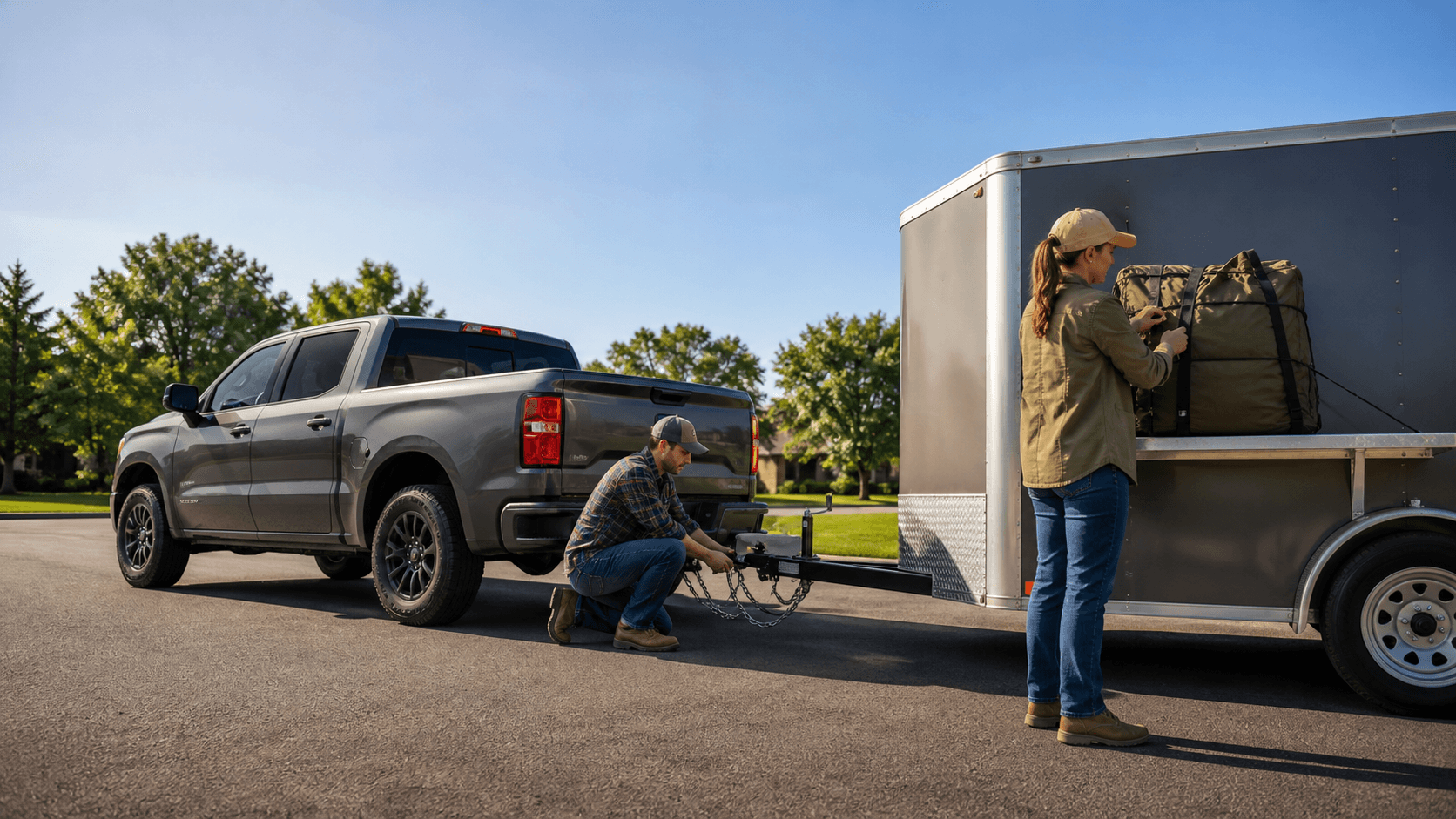
Truck and SUV shoppers should also inspect cargo access, seating layout, bed condition, towing equipment, and hitch components. Do not rely only on model-level towing or payload estimates. Cab configuration, drivetrain, axle ratio, installed equipment, passenger weight, cargo, and trailer setup can all affect capability. Review the vehicle's tire-and-loading label, towing information, and owner resources for the exact VIN.
Compare the Full Cost of Ownership
The purchase price is only one part of the decision. Limited warranty coverage may help with certain qualifying repairs during the applicable coverage period, but routine maintenance, wear items, accidental damage, and other excluded repairs may not be covered.
Before signing, review the total amount financed, APR, finance charge, payment schedule, term length, and any optional product disclosures. Financing approval, rate, payment, and terms depend on factors such as credit review, vehicle eligibility, down payment, lender requirements, and loan term. Ford Credit and Consumer Financial Protection Bureau resources can help explain financing terms before you commit.
Also plan for:
- EPA fuel-economy estimates and your real-world driving habits.
- Insurance quotes for the specific vehicle.
- Registration, taxes, and title costs.
- Tires, brakes, scheduled maintenance, and expected repairs not covered by warranty.
- Needed work, towing, cargo, or charging equipment.
Fall can also be a useful time to prepare for colder Oklahoma weather and holiday driving. Ask about tire tread depth, brake wear, battery test results, heating and defrosting performance, wiper condition, and roadside-assistance terms. These are practical ownership questions, not reasons to rush a purchase.
Choose a Vehicle for Daily Life
The best pre-owned Ford is not always the newest or most equipped option. It is the vehicle that fits your daily driving, passenger needs, work demands, and long-term budget.
A commuter may prioritize fuel economy, easy parking, visibility, and driver-assist features in a Ford Escape or Maverick. A family may focus on second-row access, cargo space, and child-seat practicality in an Explorer or Expedition. A contractor, fleet buyer, or towing customer may need to compare F-150, Super Duty, Transit, or commercial configurations carefully based on actual payload, equipment, route, and trailer needs.
A certified pre-owned vehicle can add useful confidence, but the right choice still depends on the exact VIN, its documentation, its condition, your budget, and how it performs on your test drive. At Jim Norton Ford, compare vehicles side by side, ask for the documentation that supports the certification, and take time to choose the option that fits your ownership plans.
Find the Right Ford for Your Needs
At Jim Norton Ford, we help drivers compare dependable options that fit their budget, lifestyle, and daily routine. Explore our selection of pre-owned Ford in Broken Arrow to review available models and features. If you have questions about inventory or financing, contact us and our team will be glad to help.