A used SUV can be a smart fit for life in Broken Arrow, but the right one depends on more than its color, mileage, or feature list. Before you choose, think about how it will handle your daily drive, passengers, cargo, weather, and plans for the years ahead.
Two SUVs with the same model name can feel very different to own. Their condition, service history, equipment, and previous care all matter. A little homework before the test drive can help you focus on the vehicles that truly fit.
Start with Your Everyday Needs
Begin with real life, not just what looks impressive on the lot. Will the SUV mostly handle commuting around Broken Arrow and Tulsa? Do you need room for kids, sports gear, pets, road trips, or work equipment? Will you travel on gravel roads or need extra confidence during heavy rain?
A compact SUV can work well for solo drivers, couples, and smaller families. It may be easier to park and live with day to day. A midsize SUV often adds more rear-seat and cargo room. Full-size models can make sense for large households or people who regularly need a third row.
Make a quick list before comparing used SUVs in Broken Arrow:
- Must-haves, such as seating, cargo space, or a trailer hitch
- Nice-to-haves, such as a power liftgate or heated seats
- Deal-breakers, such as poor rear-seat access or limited cargo room
- Your expected driving needs, including commuting and longer trips
More room can be helpful, but it also may mean larger tires, more fuel use, and different maintenance needs. The best fit is not always the biggest SUV.
Match Seating and Capability
Do not rely on exterior size alone. Open the doors, sit in every row, and check the cargo area with the seats in place. A third row may be handy for occasional guests, but it may not feel comfortable for adults who ride there often. If you use child seats, test how easily they fit and whether adults can still reach the back row.
Also think about the liftgate height. A tall cargo floor or heavy liftgate can become annoying when you load groceries, strollers, or sports gear every week.
Drivetrain choice matters, too. Front-wheel drive may suit drivers who mostly stay on paved roads. All-wheel drive can be helpful on wet roads and changing Oklahoma weather. Four-wheel drive may be a better match for certain work duties or off-road use. These systems can also add weight and maintenance considerations, so they are not automatically the right choice for every driver.
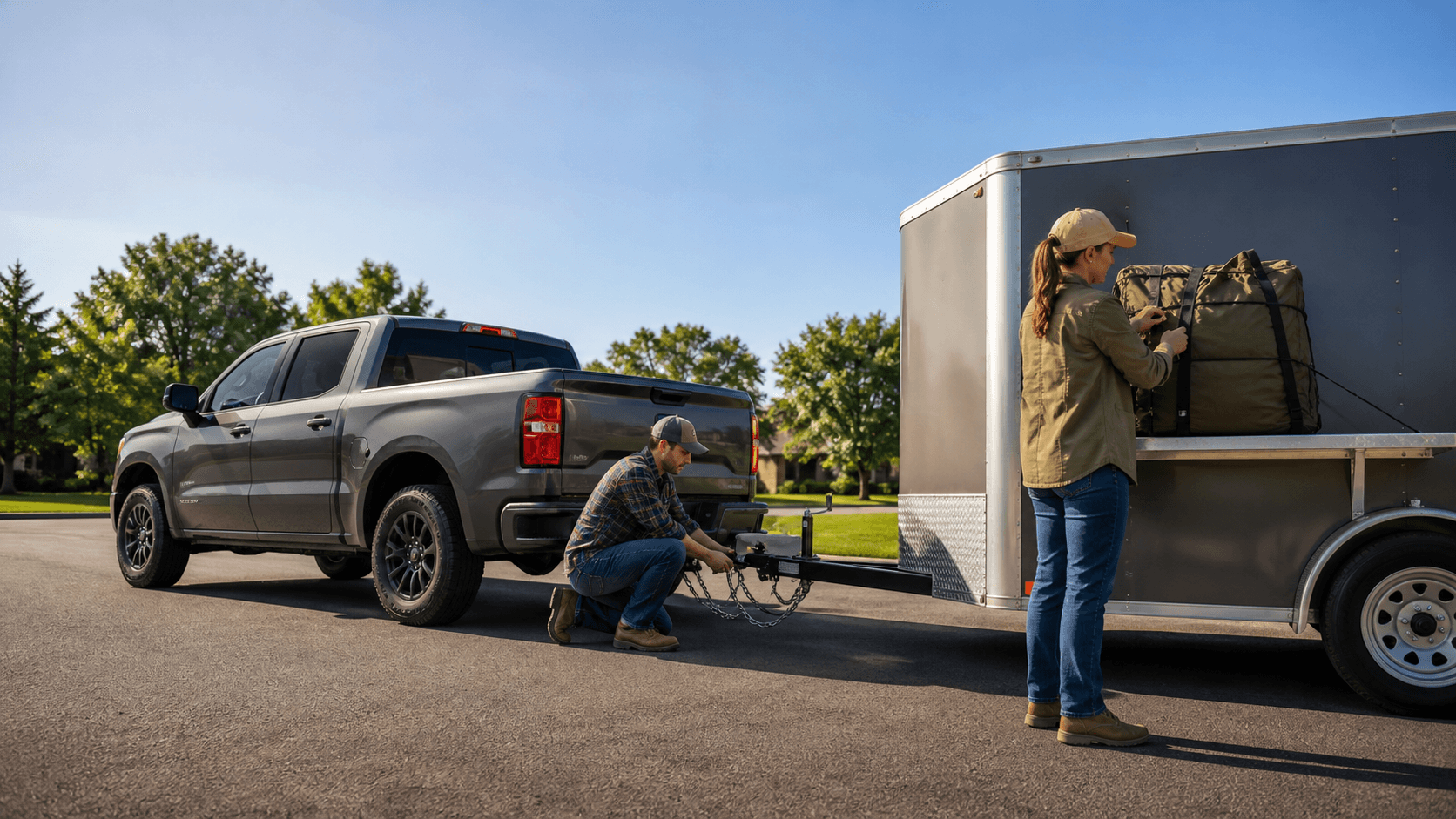
If towing matters, confirm the exact SUV's equipment and manufacturer ratings. Towing ability can change based on the engine, drivetrain, axle setup, hitch equipment, passengers, and cargo. Never assume an SUV can tow based only on a model's highest published rating.
Review History and Maintenance
A vehicle history report is a useful starting point, not a final answer. It may show ownership details, title events, reported accidents, mileage entries, and some service activity. Still, not every repair or incident appears on every report. Look for details that do not match up, then ask questions.
Maintenance records can offer another helpful clue. Regular service may include oil changes, tire rotations, brake work, fluid checks, and factory-recommended visits. Missing records do not always mean a vehicle was neglected, but they are a good reason to inspect it more closely.
Ask what work was completed before the SUV was offered for sale. For Ford models, it is also reasonable to ask whether the vehicle may qualify for certified pre-owned coverage and what the individual terms, inspection standards, and limits are. Coverage and availability should always be confirmed for the specific vehicle.
Look Past the Clean Exterior
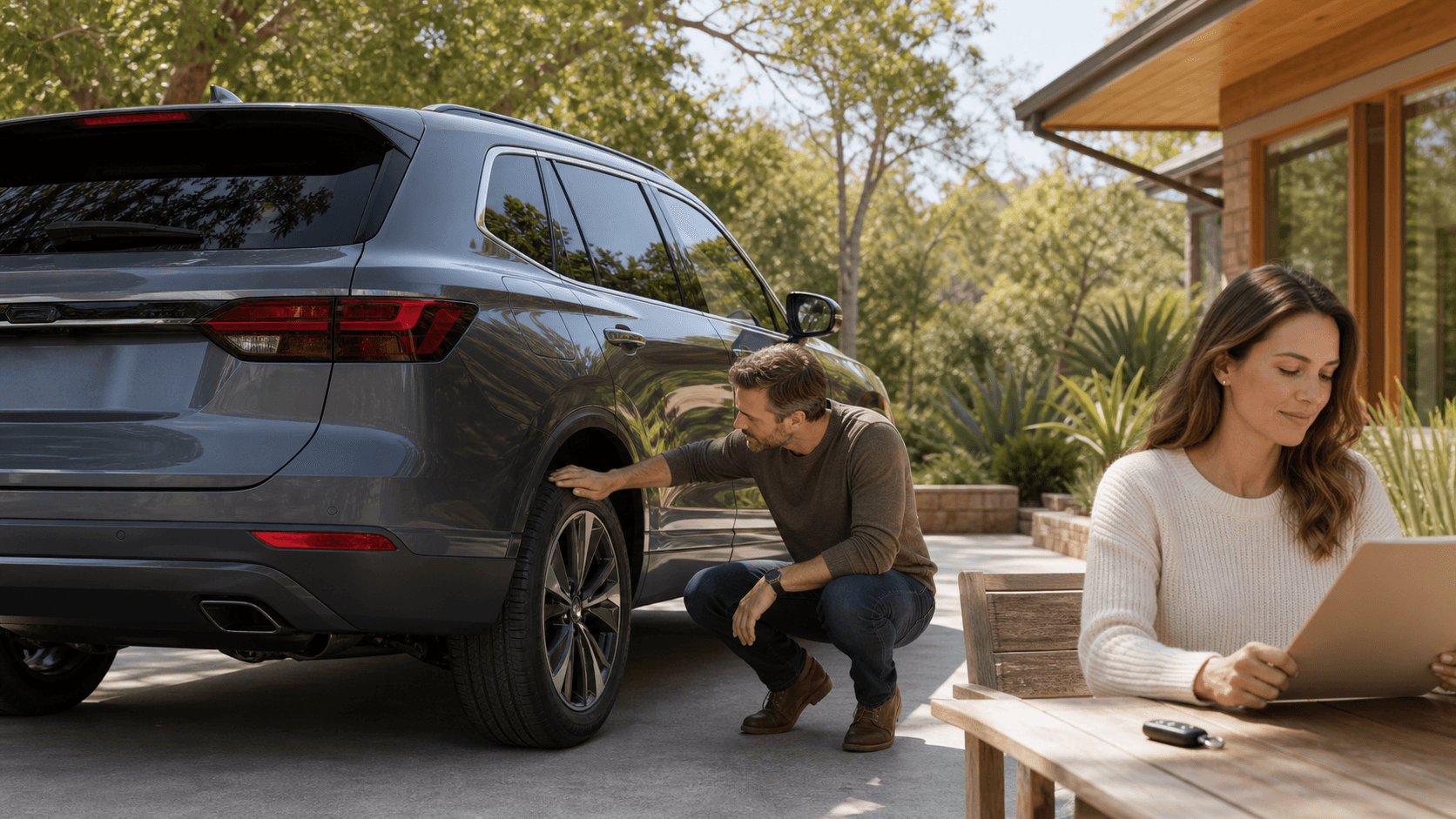
A freshly cleaned SUV can make a strong first impression, but appearance is only one part of condition. Walk around it in good light and look closely at the tires, body panels, lights, seals, and interior.
Watch for signs that deserve a closer look:
- Uneven or mismatched tire wear
- Paint that appears different from panel to panel
- Corrosion, cracked trim, or damaged weather seals
- Moisture inside lights or signs of water intrusion
- Worn seat surfaces, loose controls, or strange interior odors
Take a complete test drive. Drive on neighborhood streets, higher-speed roads, turns, and parking areas. Listen for unusual sounds, notice vibrations, and make sure the steering and braking feel steady. Test the AC, especially during Oklahoma's late-summer heat, along with windows, cameras, infotainment, power seats, and driver-assist features when equipped.
Feature lists can vary within the same model year and trim. Always test the actual SUV, rather than assuming it includes a certain feature.
Compare Long-Term Ownership Factors
The advertised figure is only one part of the decision. Think about insurance, registration, taxes, fuel, tires, routine service, possible repairs, and any accessories you may need. An SUV that seems like a good fit at first may need tires, brakes, or overdue maintenance soon after purchase.
Age, mileage, powertrain design, and technology can all shape future ownership. A newer SUV may include more convenience and safety equipment. An older, simpler model may have fewer electronic systems to consider. Neither choice is automatically better. It depends on your driving habits, budget comfort, and how long you expect to keep the vehicle.
When reviewing financing or a trade-in, read the full details. Loan terms, the total amount financed, estimated payment, optional products, and trade value all deserve clear answers before you sign.
Make the Test Drive More Realistic
Bring along the people and items that will use the SUV most. A car seat, a cargo item, or a regular passenger can reveal whether the vehicle works as well in real life as it does during a quick walkaround.
At Jim Norton Ford, shoppers can ask for vehicle-specific history and inspection information while comparing pre-owned options. Our service and finance teams can help explain routine Ford maintenance needs, genuine Ford parts options, and ownership questions. The goal is to choose an SUV that remains a comfortable, practical fit long after the keys are in your hand.
Find the Right SUV for Your Daily Drive
At Jim Norton Ford, we make it easier to compare features, capabilities, and options that fit your needs. Explore our selection of used SUVs in Broken Arrow to narrow down your choices with confidence. If you have questions or want help choosing, contact us and our team will be glad to assist.